How to structure your budget for the Autumn Winter 2027 collection: strategies for anticipating raw material costs
Preparing your Fall/Winter 2027 collection budget is a major challenge for contemporary designers. Anticipating raw material costs for your Fall collection budget
June 5, 2026 6 min de lecture Par l’atelier D’YRSAN

Anticipating fluctuations in the raw materials market
Planning an Autumn-Winter 2027 collection requires a thorough rigorous strategic approach to control raw material costs. In a volatile economic context, fashion designers and brands need to develop effective anticipation methods to preserve their margins while maintaining the quality of their creations.
Visit fluctuations in raw material prices are one of the major challenges facing the textile industry. Cotton, wool, silk, leather and synthetic fibers are subject to major variations linked to climatic conditions, geopolitical tensions and technological developments.
Analyze historical price trends
The study of price cycles over the last five years forms the basis of sound financial planning. This analysis enables you to identify recurring periods of high and low prices for each raw material used in your creations.
Cotton, for example, generally sees price peaks between March and May, influenced by weather conditions in the main production zones. Wool follows different patterns, with variations linked to breeding seasons and the agricultural policies of producing countries.
For the natural silk, Fluctuations largely depend on the conditions under which silkworms are reared in Asia. Historical data reveal cycles of three to four years, enabling more accurate anticipation of future costs.
Diversifying sources of supply
Visit geographic diversification of suppliers is an essential strategy for minimizing risk. Establishing partnerships with producers in different regions helps to offset localized price increases.
This approach requires a in-depth sourcing and the development of long-term relationships with several suppliers. The initial investment in time and resources quickly pays off in times of market tension.
Quality must remain the overriding criterion in this diversification. Each new partner must be evaluated according to rigorous standards to guarantee the consistency of your collections and maintain your brand image.
Negotiate advantageous forward contracts
Visit forward contracts offer effective protection against price volatility. These agreements enable raw material prices to be set several months in advance, providing crucial financial visibility for budget planning.
This strategy requires precise analysis of volumes required for each raw material. Too high an estimate can tie up funds unnecessarily, while an underestimate exposes you to spot market fluctuations.
Negotiations should include flexibility clauses to allow for adjustments in the event of major changes in requirements. These contractual provisions protect against the risk of overstocking, while preserving the advantages of planning.
Integrating sustainable textile innovations
The emergence of new eco-responsible materials is gradually transforming the textile industry. These innovations offer opportunities for budget optimization while meeting consumers' growing expectations in terms of sustainability.
Recycled fibres, bio-sourced materials and innovative textiles often offer the following advantages higher initial costs but guarantee greater long-term price stability. Their gradual integration into your collections enables a controlled transition to more sustainable practices.
This transition is perfectly in line with DYRSAN's artisanal approach, where each creation benefits from special attention to the materials used. Investing in innovative textiles enhances the added value of your pieces in a market that is increasingly aware of environmental issues.
Optimize intermediate inventory management
A rigorous inventory planning of raw materials enables us to take advantage of purchasing opportunities during periods of low prices. This strategy requires a detailed analysis of storage costs and risks of deterioration.
The aim is to create strategic reserves without tying up excessive amounts of capital. This approach requires in-depth knowledge of the shelf life of each raw material and of optimal storage conditions.
Stock rotation must be organized according to the FIFO (First In, First Out) principle to preserve material quality. An efficient traceability system makes it possible to follow the evolution of each batch and optimize its use in the various creations.
Developing strategic partnerships
Visit alliances with other designers or small brands can generate significant economies of scale on raw materials purchases. These partnerships make it possible to reach higher order volumes and obtain preferential rates.
This purchasing pooling requires a precise coordination of needs of each partner and a fair distribution of costs and risks. Agreements must provide for exit mechanisms in the event of diverging interests.
The artisan experience developed in our Paris workshops facilitates these collaborations by providing recognized technical expertise. This added value strengthens our negotiating position with suppliers and optimizes purchasing conditions for all our partners.
Use business intelligence tools
Visit market surveillance platforms provide real-time information on raw material price trends. These tools make it possible to quickly adjust purchasing strategies in line with market trends.
Subscribing to specialized services represents a moderate investment compared to the potential savings generated by better anticipation of tariff variations. These platforms also offer valuable forward-looking analyses for medium-term planning.
Visit training your team to the use of these tools maximizes their effectiveness. A daily watch lasting just a few minutes can reveal exceptional buying opportunities, or alert you to imminent price rises requiring early purchases.
Calculate the impact of variations on margins
Precise assessment of the’impact of price fluctuations on your margins requires detailed financial modeling. This analysis must take into account the proportion of each raw material in the total production cost of your creations.
A monitoring spreadsheet can be used to simulate different price trend scenarios and to identify critical thresholds beyond which margins become insufficient. This quantitative approach guides purchasing and pricing decisions.
Simulations must include ancillary costs such as transport, insurance and foreign exchange for international purchases. A global view of costs enables us to optimize each stage of the supply chain.
Adapting collection strategy to budget constraints
Visit creative flexibility is a major asset when it comes to adapting to variations in raw material costs. Developing several versions of the same creation using materials from different ranges offers alternatives in the event of an unforeseen rise.
This modular approach makes it possible to maintain the aesthetics of the collection while adjusting costs according to budgetary constraints. Customers appreciate this diversity, which meets different levels of investment.
Innovation in production techniques can also partially offset increases in raw material prices. Optimizing patterns and reducing offcuts help to keep overall production costs under control, while preserving the artisanal quality that characterizes our creations.
 DY81105
Silver lurex embossed gingham swimsuit fabric, sky blue
DY81105
Silver lurex embossed gingham swimsuit fabric, sky blue
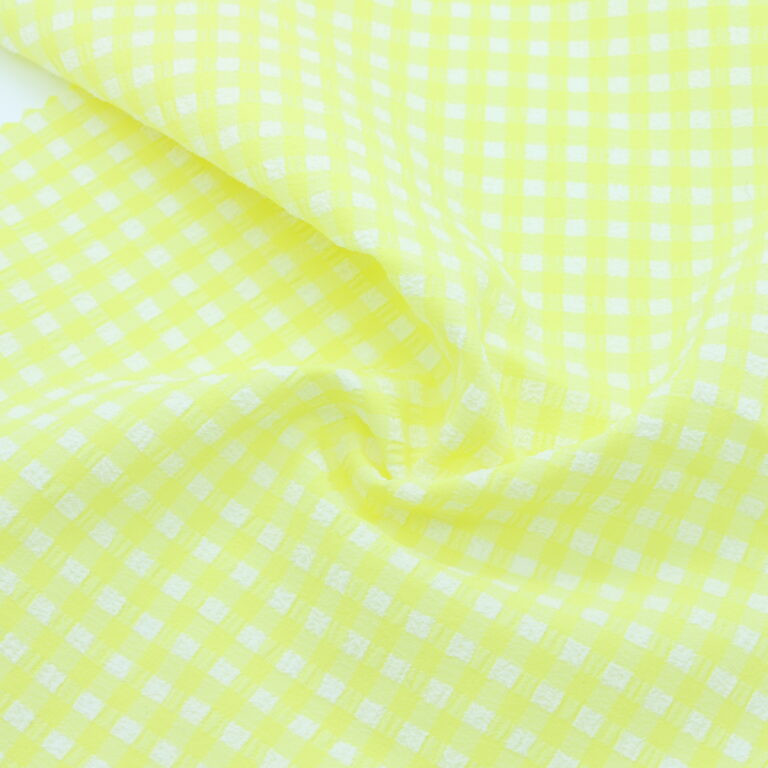 DY81135
Yellow embossed gingham swimsuit fabric
DY81135
Yellow embossed gingham swimsuit fabric
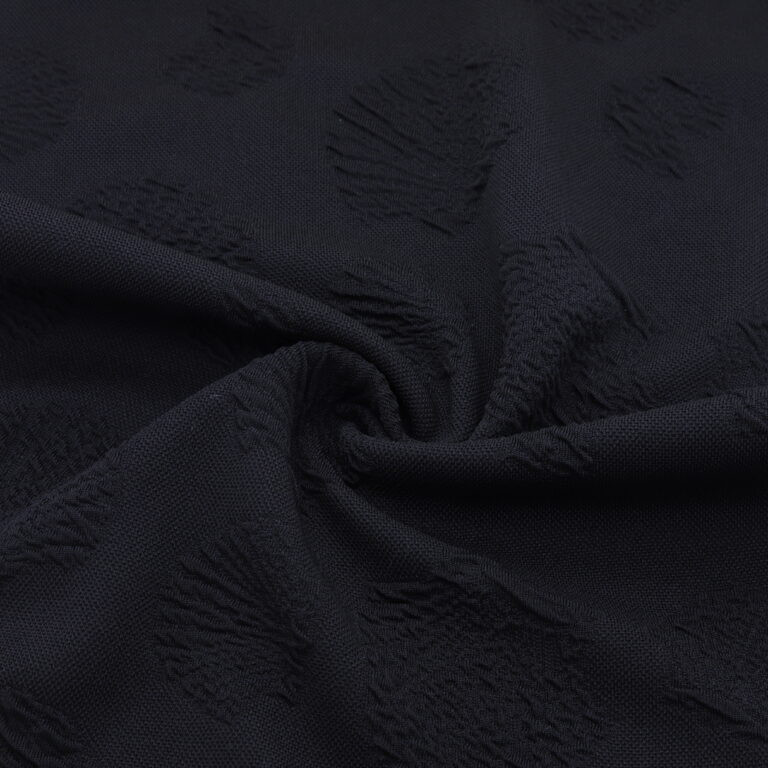 DY80208
Brown embossed shell jacquard fabric
DY80208
Brown embossed shell jacquard fabric
 DY80206
Chocolate blistered jacquard fabric
DY80206
Chocolate blistered jacquard fabric
 DY80186
Chocolate ribbed jacquard fabric
DY80186
Chocolate ribbed jacquard fabric
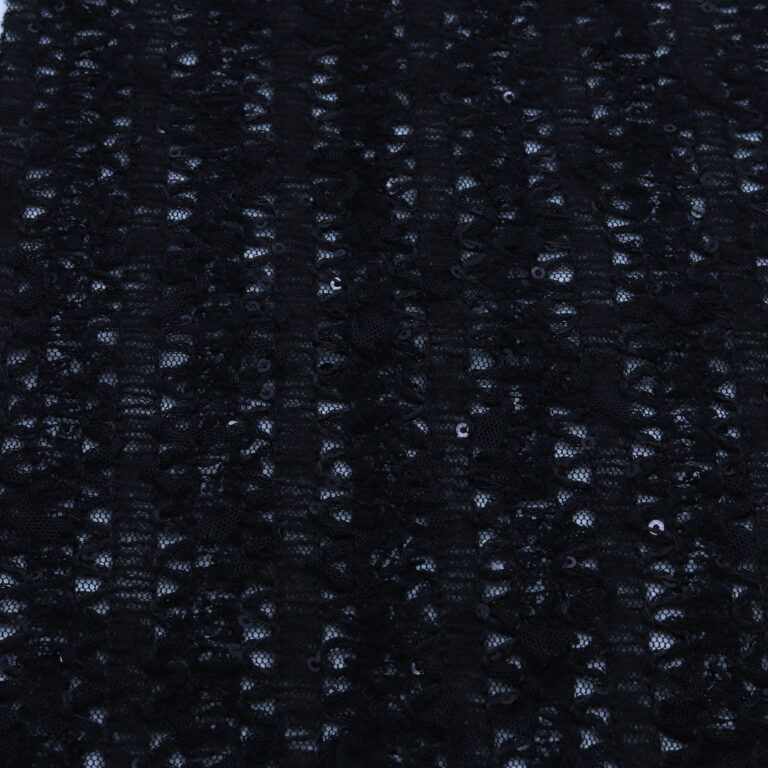 DY488
Black sequined openwork mesh fabric
DY488
Black sequined openwork mesh fabric
 DY80224
Thick honeycomb jacquard fabric, candy pink
DY80224
Thick honeycomb jacquard fabric, candy pink
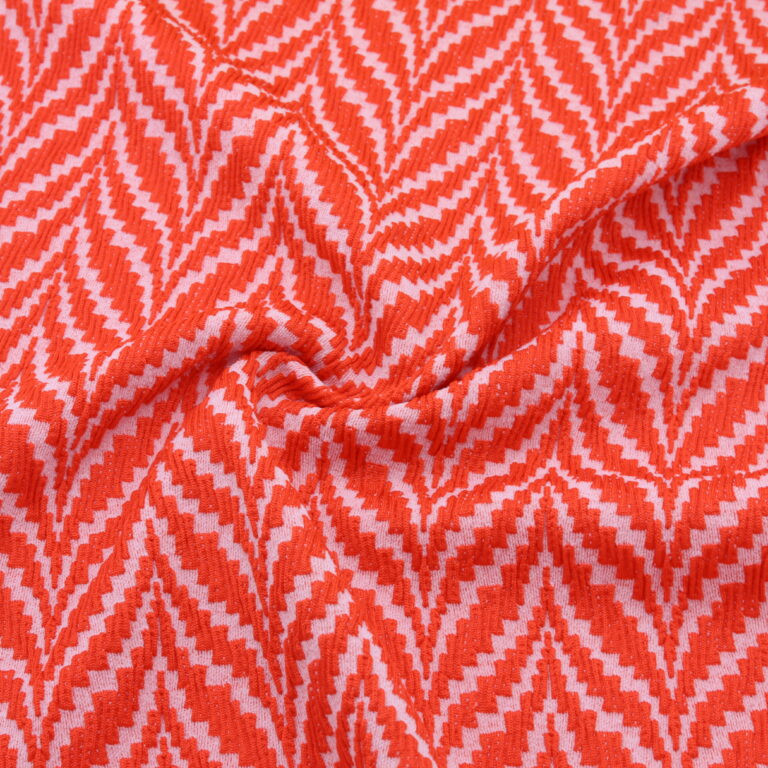 DY80215
Red and pink chevron jacquard fabric
DY80215
Red and pink chevron jacquard fabric
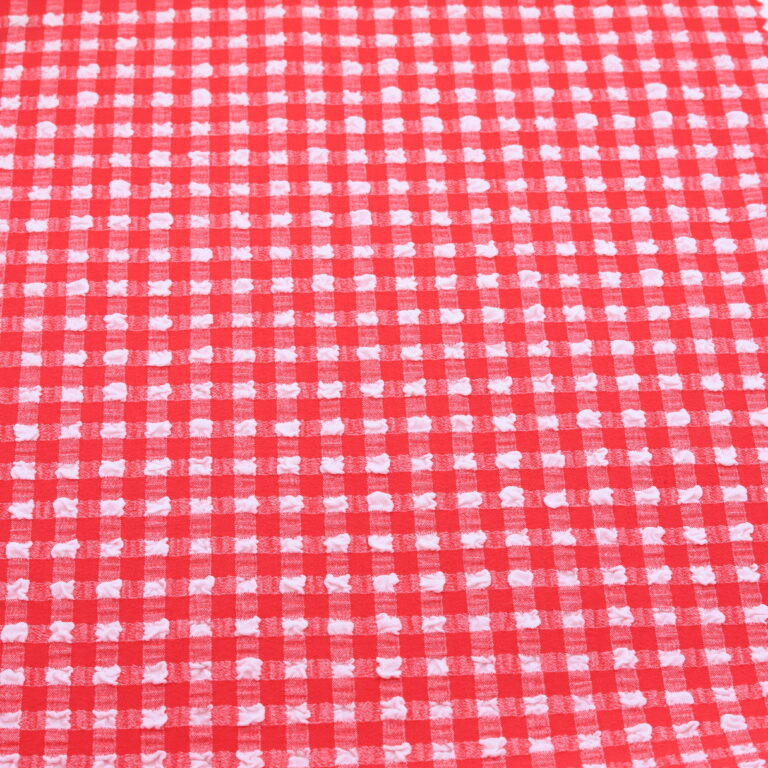 DY81053
Red embossed gingham swimsuit fabric
DY81053
Red embossed gingham swimsuit fabric
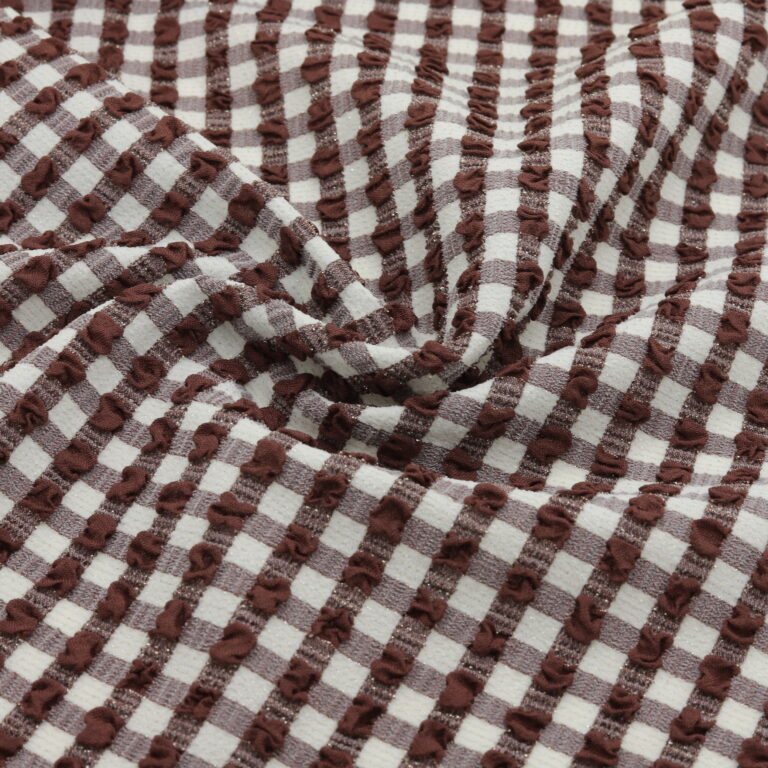 DY80205
Chocolate embossed gingham swimsuit fabric
DY80205
Chocolate embossed gingham swimsuit fabric
Écrit à l’atelier D’YRSAN, à Asnières-sur-Seine, où nous développons et produisons les collections de nos clients : patronage, prototypage, industrialisation, production petite série.
Parler de votre projet→