
Creating your own clothing brand: complete guide 2026
Creating your own clothing brand is a dream for many fashion enthusiasts today. This fascinating entrepreneurial adventure requires much more than just a creative spark: it demands a
May 11, 2026 5 min de lecture Par l’atelier D’YRSAN
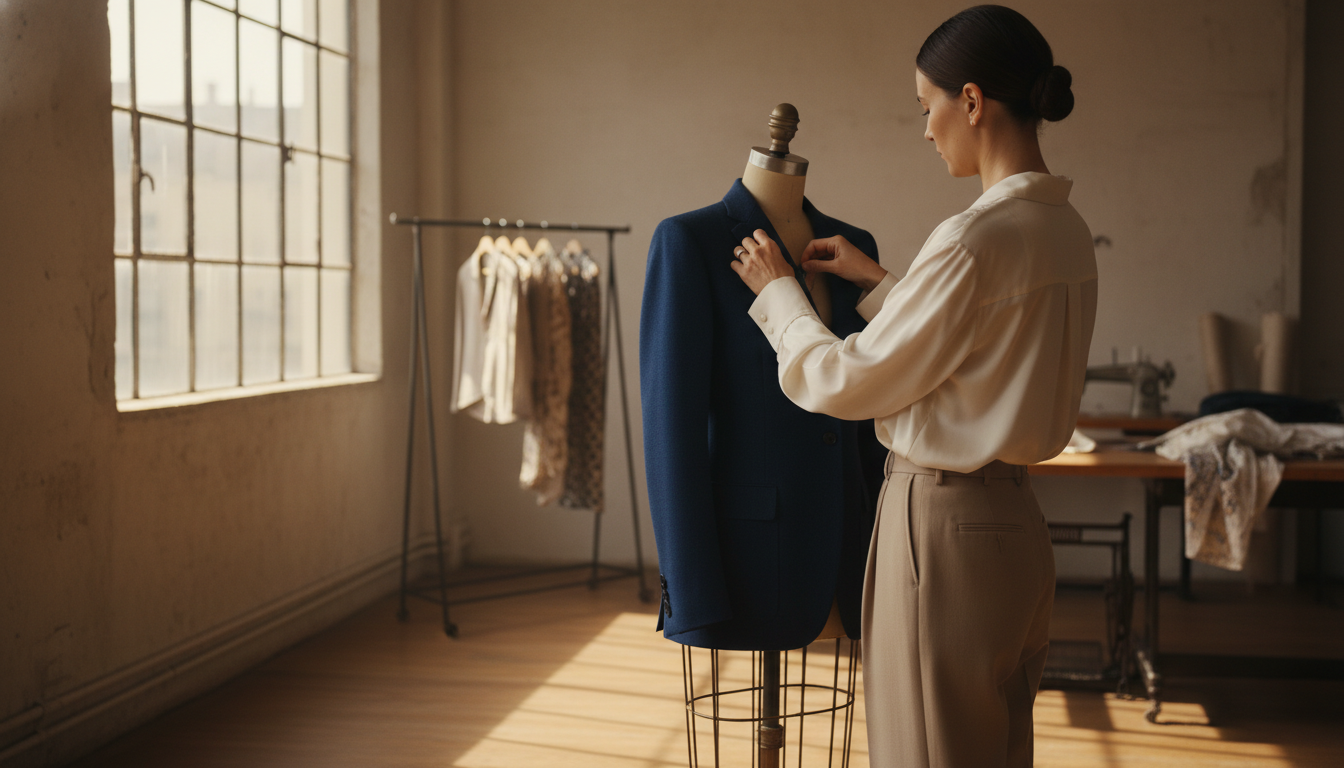
Starting your own clothing brand is a dream shared by many fashion enthusiasts today. This fascinating entrepreneurial journey requires much more than just creative drive: it demands a strategic approach, a clear vision, and methodical execution. Launching your own clothing brand is, above all, about turning a passion into a viable business venture, combining creativity with business acumen. At DYRSAN, we regularly support designers in this demanding yet rewarding process.
Starting your own clothing brand has become a realistic goal for many entrepreneurs with a passion for fashion. In a constantly evolving textile market, knowing how to create your own clothing brand requires a methodical and strategic approach.
Define your brand's concept and theme
The first step in creating your own clothing brand is to define your creative vision. Start by creating a detailed mood board that captures the essence of your world: colors, textures, atmospheres, cultural and artistic references. This inspiration board will serve as a guide throughout the creative process.
Next, expand your color palette by selecting 5 to 8 main shades These colors will define your visual identity. They must be consistent with your positioning and appeal to your target audience. Don't hesitate to draw inspiration from a variety of fields: architecture, contemporary art, nature, travel, or urban culture.
Defining your seasonal theme is crucial. What story do you want to tell? What emotion do you want to convey? This narrative will give meaning to your collection and make it easier to market. Document this conceptual phase in detail, as it will serve as your creative bible.
Building a structured collection plan
The architecture of your collection determines its consistency and profitability. For your first collection, limit yourself to a maximum of 12–18 items, divided into three complementary product families. This approach helps keep costs under control while still offering a sufficiently diverse range of products and services.
Organize your designs around key silhouettes: timeless basics (30% from the collection), trendy pieces (50%), and a few bold signature designs (20%). This balanced mix ensures that your collection is both marketable and original.
Think of it as a capsule collection rather than a large-scale collection. Today’s consumers prioritize quality over quantity and appreciate a cohesive brand narrative. Develop realistic size ranges tailored to your target audience, and use color variations sparingly to optimize your initial investment.
Choose materials and suppliers with expertise
Textile sourcing is a major challenge in building a brand. Start by identifying your specific needs: fabric types, weights, compositions, and specific finishes. Visit trade shows to explore what’s available and meet suppliers.
Negotiate MOQs (Minimum Order Quantities) realistically. European suppliers generally offer lower minimum order quantities than their Asian counterparts, but at higher rates. Carefully evaluate the balance between quality, price, and lead time based on your budget and time constraints.
Create an organized materials library with cataloged samples, technical data sheets, and supplier contact information. This documentation will make it easier for you to place future orders and ensure consistent quality in your production. Allow for a 15–20% margin on your fabric quantities to account for any defects or adjustments.
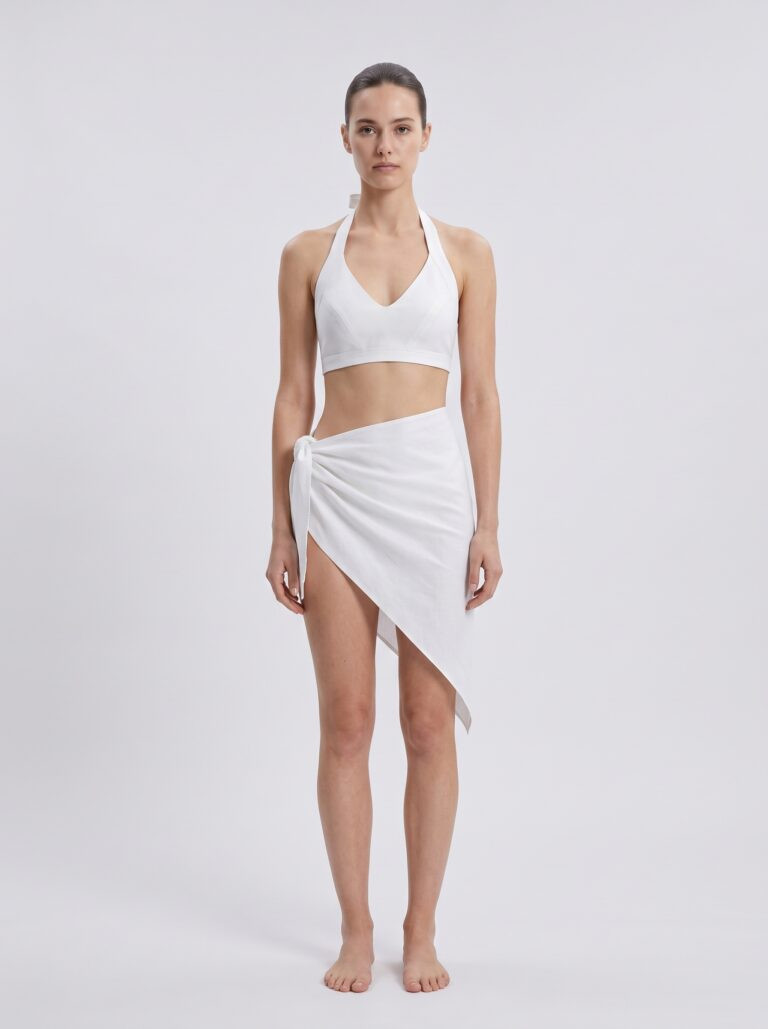 DYSW-403
Asymmetric tie pareo skirt
DYSW-403
Asymmetric tie pareo skirt
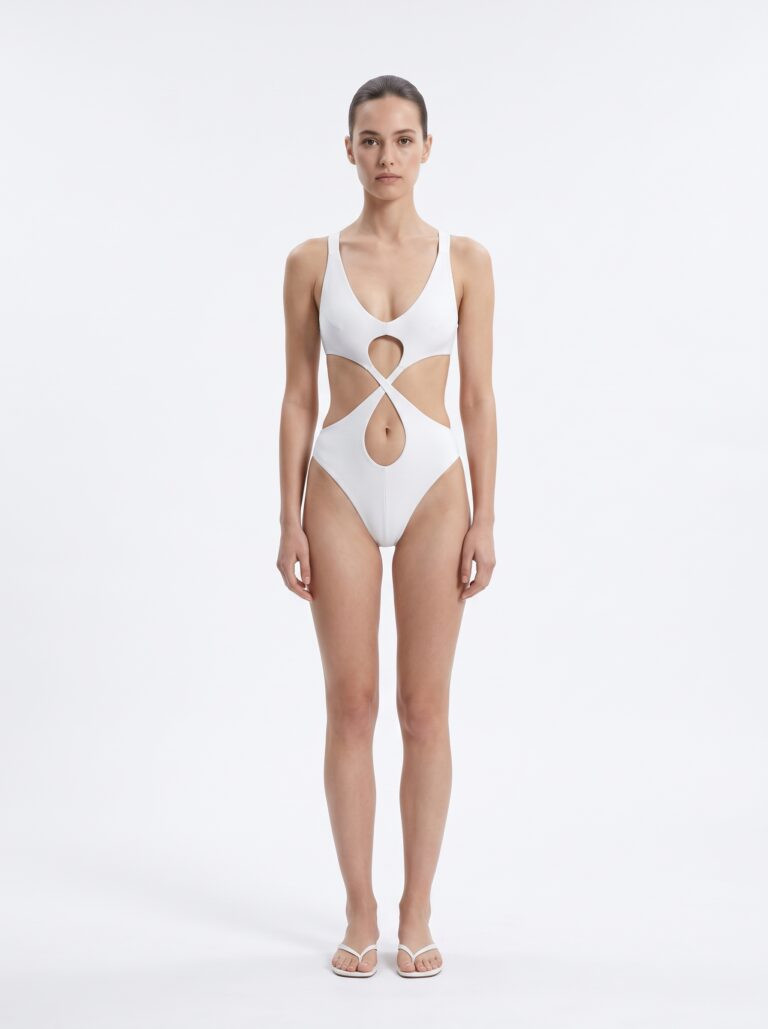 DYSW-135
One-piece swimsuit with figure-eight cut-outs
DYSW-135
One-piece swimsuit with figure-eight cut-outs
 DYSW-220
Sliding triangle bikini with tie strings
DYSW-220
Sliding triangle bikini with tie strings
 DYSW-402
Asymmetric panel beach kimono
DYSW-402
Asymmetric panel beach kimono
 DYSW-134
Plunging one-piece swimsuit with braided cords
DYSW-134
Plunging one-piece swimsuit with braided cords
 DYSW-219
Twisted bandeau bikini with high-cut bottoms
DYSW-219
Twisted bandeau bikini with high-cut bottoms
 DYSW-218
Ruffled bandeau bikini with ring
DYSW-218
Ruffled bandeau bikini with ring
 DYSW-401
Long V-neck beach dress
DYSW-401
Long V-neck beach dress
 DYSW-133
One-piece swimsuit with spiral cut-outs and starfish
DYSW-133
One-piece swimsuit with spiral cut-outs and starfish
 DYSW-132
One-piece swimsuit with crossed cut-outs
DYSW-132
One-piece swimsuit with crossed cut-outs
Previous
Next
Discover our materials
Production: Between Craftsmanship and Industrialization
There are several options available to you, depending on your budget and volume. Local artisanal production ensures optimal quality control and supports the local economy, but it limits your production capacity. Regional workshops represent an interesting compromise for medium-sized series.
Industrial patternmaking requires a significant initial investment but optimizes unit costs over the long term. Work with an experienced patternmaker to accurately translate your sketches into usable technical patterns. This step determines the fit and drape of your garments.
International outsourcing requires specialized expertise in logistics and quality control. Choose recommended partners and request production samples before giving your approval. Allow for extended lead times and anticipate customs delays to avoid unpleasant surprises.
Test Before Production: The Importance of Prototyping
The prototyping phase serves as your quality assurance. Always produce samples using the final fabrics before starting mass production. This step helps identify any technical issues, such as poor drape, assembly defects, sizing problems, or unsuitable finishes.
Organize fitting sessions with your friends and family and gather constructive feedback. Take photos of your prototypes being worn to assess how they look in real life and identify any necessary adjustments. Feel free to modify your patterns if the feedback warrants it.
You can also test the durability of your creations: stitch strength, colorfastness, and wash performance. These technical checks help prevent customer returns and protect your growing reputation. Allocate 10–15% of your production budget to this phase.
Sample Timeline for a Successful Launch
Plan for a launch period of at least 8 to 12 months. Start with the creative phase (2 months), followed by sourcing materials (1 month), prototype development (2 months), adjustments (1 month), production (2–3 months), and finally, launch (1 month).
Synchronize your calendar with the sales seasons: Fall/winter collection development from January to June, presentation in July–August, delivery in September–October. This timeline aligns with retailers’ purchasing cycles and maximizes your chances of being stocked.
Creating your own clothing brand requires patience, perseverance, and passion. This demanding yet rewarding entrepreneurial adventure will allow you to express your creativity while building a sustainable business. At DYRSAN, we believe that every designer deserves support on this wonderful human and creative journey.
Écrit à l’atelier D’YRSAN, à Asnières-sur-Seine, où nous développons et produisons les collections de nos clients : patronage, prototypage, industrialisation, production petite série.
Parler de votre projet→

