No products in the cart.
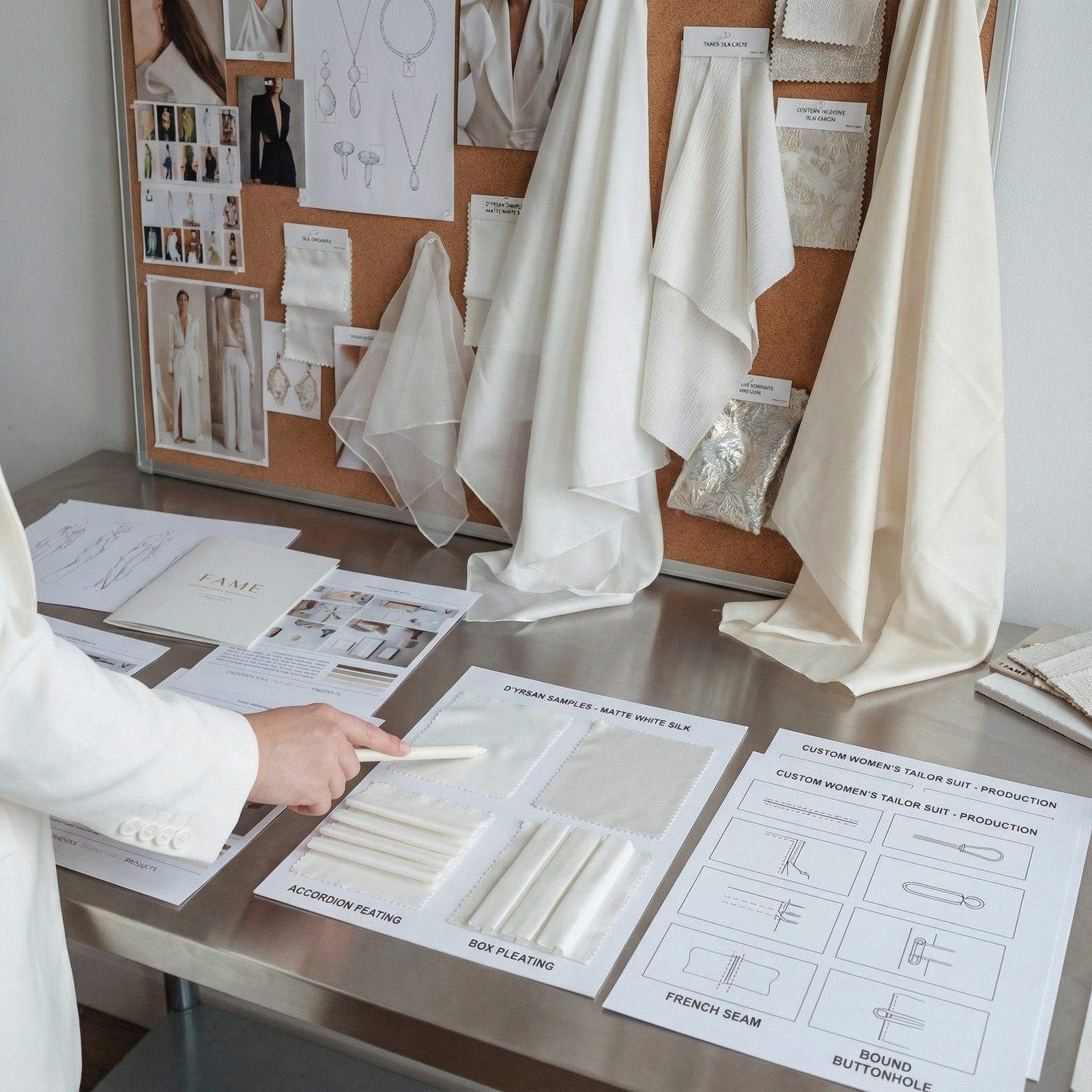
Starting your own clothing brand without being a fashion designer is no longer a pipe dream. This trend, driven by the rise of streetwear and the widespread availability of production tools, is revolutionizing the textile industry. Today, entrepreneurs, influencers, and fashion enthusiasts can bring their fashion visions to life thanks to a sophisticated technical approach and partners who are experts in industrial patternmaking.
Starting your own clothing brand without being a fashion designer begins with understanding the process of turning an idea into a basic pattern. The transition from the initial sketch to the technical pattern requires a rigorous methodology that even beginners can grasp.
The style guide: the first crucial step, visually conveys the creative intent. It is a two-dimensional representation of the proposed garment, showcasing its lines, proportions, and aesthetic details. This stage requires close collaboration with an experienced patternmaker who is well-versed in the technical aspects of garment construction.
Converting it into a basic pattern is the real technical challenge. The patternmaker analyzes the shapes, identifies the anatomical reference points, and defines the construction lines. This technical expertise makes it possible to transform a two-dimensional drawing into a perfectly fitting three-dimensional part.
The pattern is then scaled to create different sizes from the basic pattern. This precise mathematical process uses specific coefficients based on French or international sizing standards. Each point on the pattern undergoes a calculated transformation to maintain balanced proportions across all sizes.
The technical specification sheet is the industrial DNA of the garment. A comprehensive and detailed guide, it compiles all the information needed for production: fabric yardage, supplies, stitching techniques, finishing touches, and assembly time.
This sheet provides details on each component: fabric type and its characteristics (weight, composition, elasticity), Pantone color codes, and supplies (buttons, fasteners, elastic) with their exact specifications. The technical diagrams are precisely annotated: seam lengths, stitch types, seam allowances, and assembly direction.
The assembly instructions form the backbone of this document. Each step of the manufacturing process is described in chronological order, from fusing the interfacing to the final overlocking. The work instructions specify the machines used, the specific settings, and the quality checks to be performed.
This technical documentation enables any manufacturer to faithfully reproduce the product, ensuring the consistent quality that is essential to the development of a professional brand.
Prototyping is a crucial validation step prior to production. Contrary to popular belief, starting your own clothing brand without being a fashion designer usually requires 3 to 5 iterations prototypes to achieve the best possible result.
The first prototype, built in standard size (size 38 or M, depending on the category) reveals the initial adjustments needed. Fitting the garment on a standard mannequin helps identify issues with the drape, excessive tension, or unevenly distributed ease.
The pattern adjustments are being made one after another in a methodical manner : modifying armhole curves, adjusting lengths, and correcting the balance. Each modification is carefully transferred to a paper pattern and validated through a new prototype.
Material validation takes place simultaneously. The characteristics of the chosen fabric may require specific pattern adjustments: adding notches for unstable fabrics, adjusting seam allowances for fabrics that fray easily, and adapting curves for stretchy jersey fabrics.
The final human fitting, tested on a variety of body types, confirms the pattern's validity before it goes into production. This critical step determines the level of customer satisfaction.
Grading is the most technically complex part of the process. This step transforms the approved pattern into a complete range of sizes based on official body measurement standards.
French AFNOR standards define size charts for each category: women, men, and children. These standards determine the differences between sizes and the key grading points. For example, between two consecutive women’s sizes, the standard difference is 4 cm in bust circumference and 2 cm in back length.
Modern grading tools use specialized software (Lectra, Gerber, Optitex) that automates calculations while allowing for manual adjustments. These systems ensure geometric consistency and the required industrial precision.
Outsourcing this step to a specialized design firm is often the most practical solution. These experts understand the intricacies of the design and have the advanced computer tools needed to ensure flawless grading.
Size grading is validated by creating prototypes of the smallest and largest sizes (such as women’s sizes 34 and 44) to ensure a consistent fit across the entire range.
The manufacturing specification summarizes all the technical details required by the manufacturer. This contractual document establishes quality standards and defines the production procedures.
Patterns, whether drawn on cardstock or stored as digital files, form the technical foundation. Each pattern piece contains its own information: the name of the piece, size, number of pieces to be cut, grain direction, assembly notches, and assembly marks.
The fabric specifications detail the fabrics and trims, including their exact product codes, approved suppliers, and acceptable quality tolerances. Fabric samples are included in the package for color and texture approval.
The assembly instructions illustrate each stage of the manufacturing process in chronological order. They include detailed technical diagrams, assembly photos, and key points to note. Intermediate quality checks are specified along with their acceptance criteria.
The production schedule outlines the timelines for each stage: cutting, preparation, assembly, finishing, and final inspection. This planning allows the manufacturer to organize production efficiently and meet delivery deadlines.
Launching your own clothing brand without being a fashion designer requires a significant investment in patternmaking, but one that pays off in the medium term. Professional-quality patternmaking prevents costly alterations, customer returns, and recurring production issues. This initial technical expertise ensures smooth business development and guarantees the industrial credibility essential to any ambitious emerging brand.
D'YRSAN - Atelier Textile Asnières-sur-Seine
D'YRSAN supports designers from the initial sketch through to production—swimwear, apparel, and lingerie. Orders of 10 pieces or more; certified European partners. Response within 48 hours.
Request a quote →
How much does a capsule collection cost? Complete guide for novice designers
Complete guide to financing a textile brand: all the solutions for young French designers
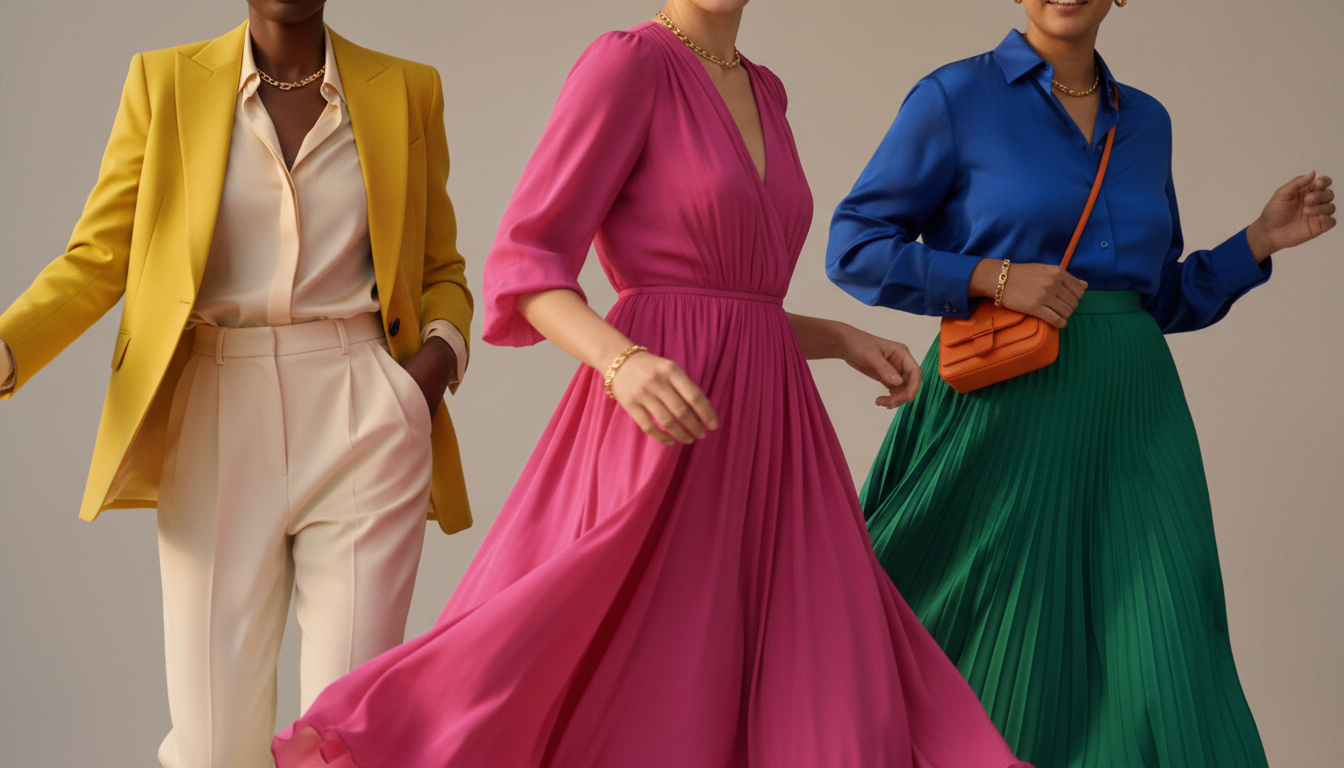
Dopamine dressing creation: When positive psychology enhances your wardrobe
Help & Support
3 rue Paul Déroulède
92600 Asnières-sur-Seine
E-mail address :
info@dyrsan.fr
Phone number: 09 52 89 21 69
If you have any questions, please contact us by phone or e-mail for assistance with your purchase.
Mon.Tues.Thurs.Fri - 10am to 4pm.
France :
→ Relais colis from €4.20
→ Colissimo home delivery: from €7.80
Belgium, Germany, Luxembourg, Netherlands, Saint-Martin :
→ Standard parcel: from €9.50
Switzerland :
→ Standard parcel: from €12
Additional information:
Customs duties and charges remain the responsibility of the customer and are invoiced directly by the Swiss Post or upon receipt of the parcel.
Delivery costs are calculated automatically before your order is confirmed, according to the shipping method you have chosen and the contents of your basket.
During busy periods (promotions, holidays, etc.), slight delays may occur. We make every effort to dispatch your orders as quickly as possible.
For deliveries outside the European Union, customs duties and local taxes may apply.
All prices exclude VAT.
Every month, a behind-the-scenes look at the workshop. Selections of haberdashery, material trends and manufacturing secrets reserved for our inner circle.