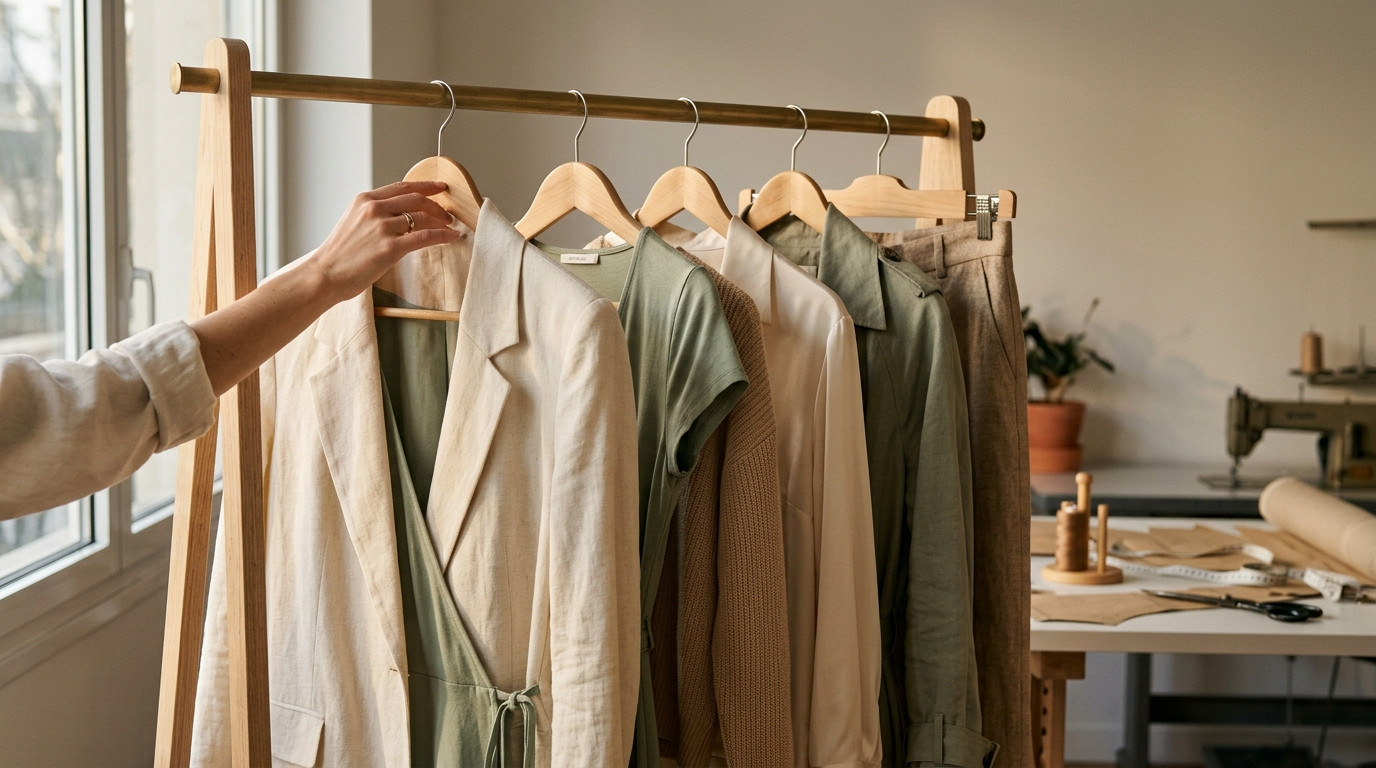
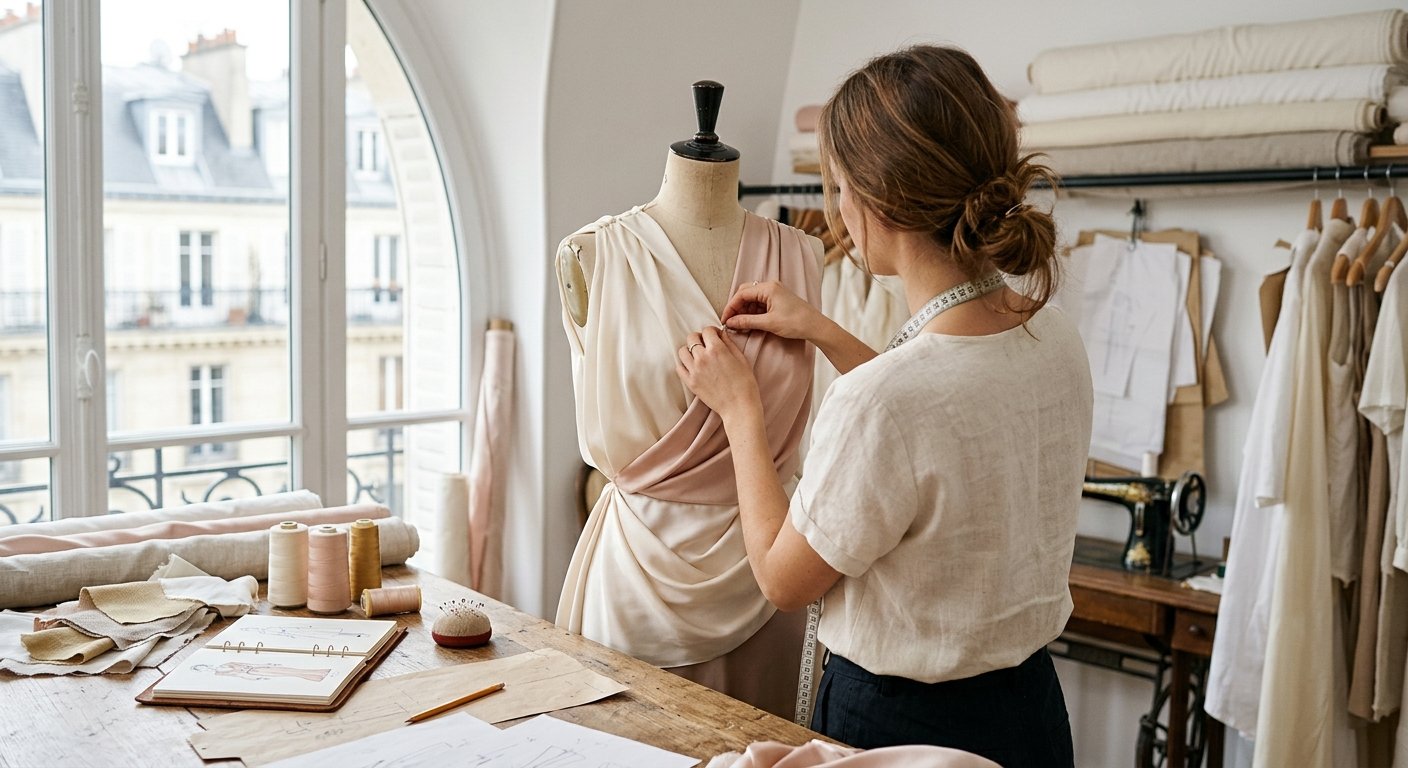
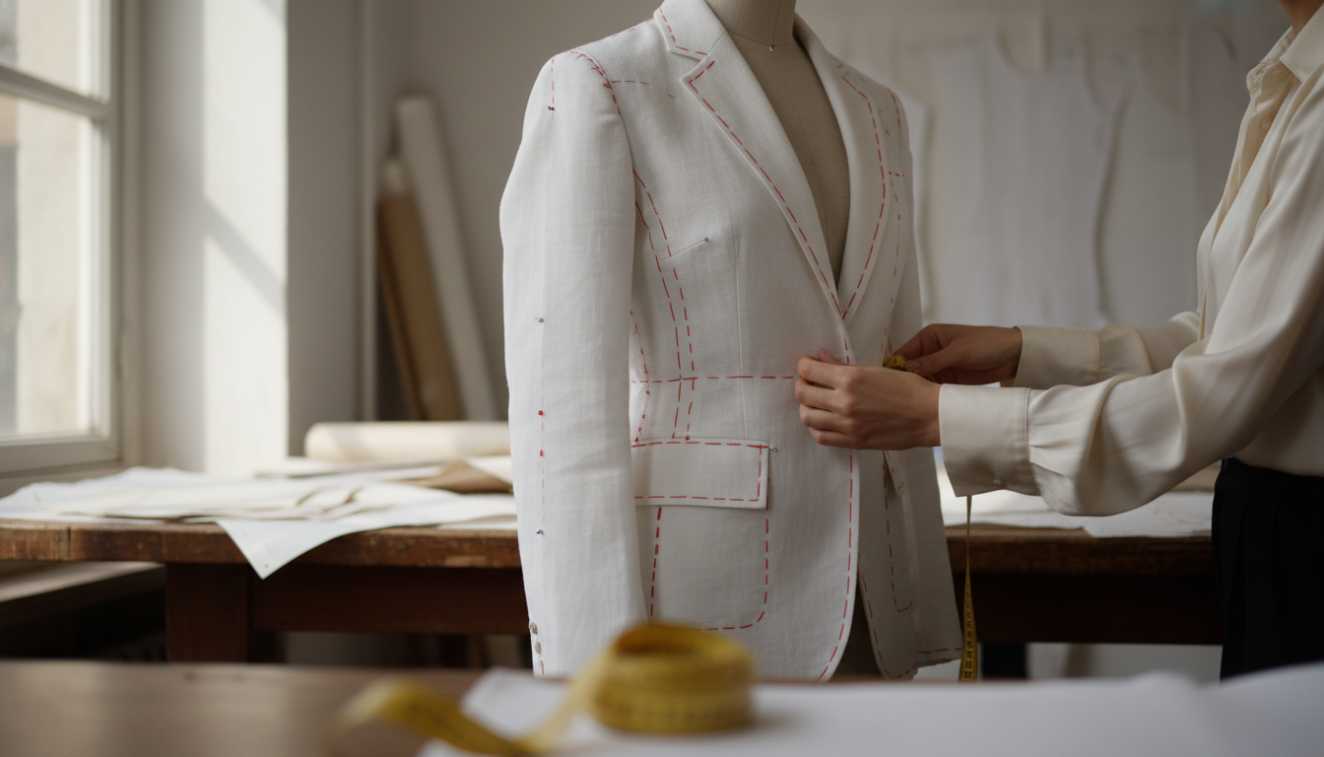
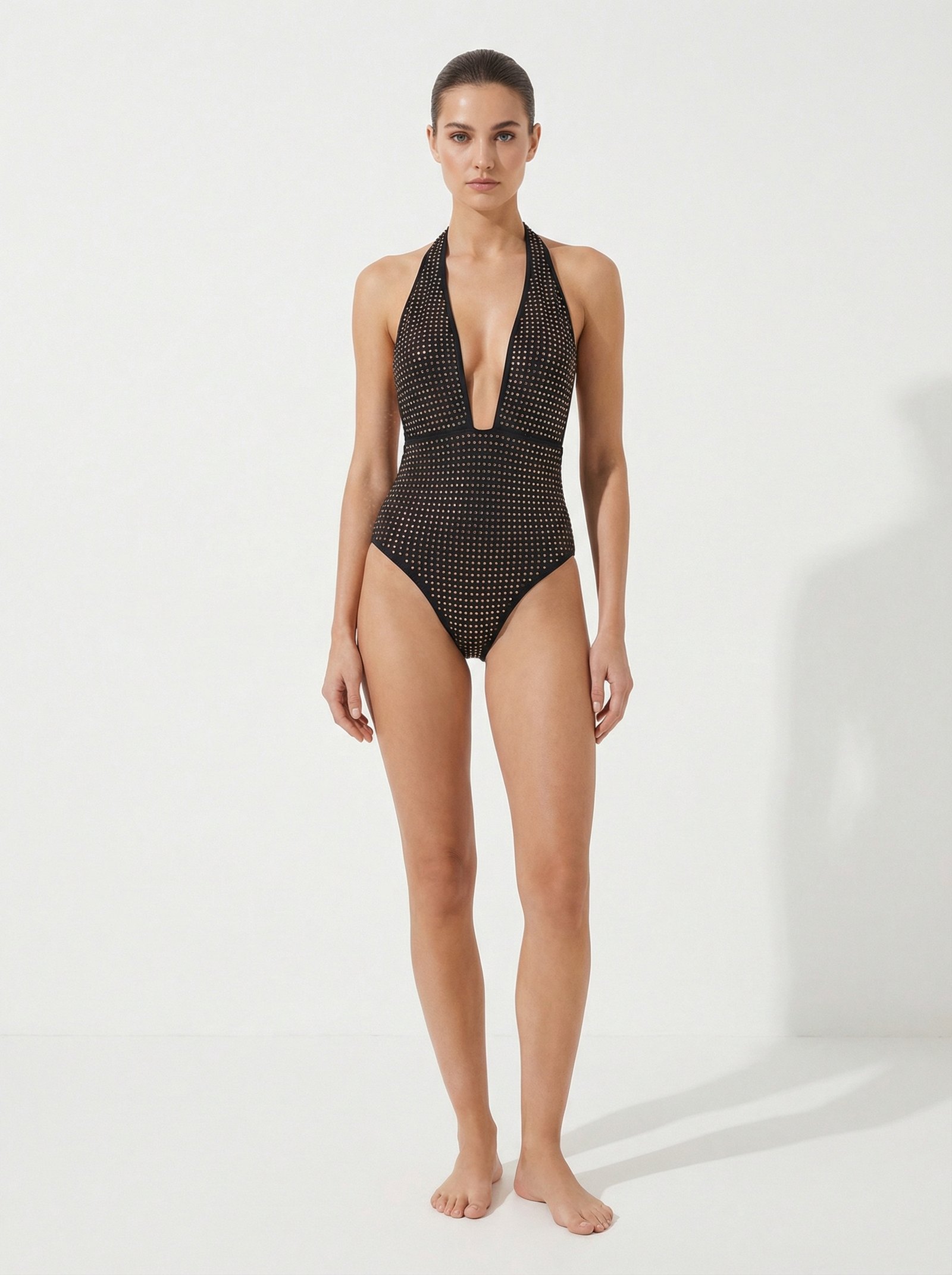
The garment prototype is much more than a simple model: it is the technical and creative foundation of every successful collection. In the cut-throat world of fashion, where every detail counts and margins for error are minimal, this stage determines a brand's commercial success and stylistic identity. The garment prototype transforms a creative vision into tangible reality, while anticipating the challenges of mass production.
What is a garment prototype and why is it essential?
The garment prototype embodies the first concrete expression of a stylistic concept. It's a physical sample that allows us to test, adjust and validate every technical aspect before production. This critical phase reveals a model's strengths and weaknesses, from the cut to the fall of the fabric.
For DYRSAN's designers, this stage is of particular importance. It allows us to check the harmony between the desired aesthetic and the technical reality. A structured blazer, for example, requires a different approach to a flowing knit dress. The prototype reveals these subtleties before any major financial commitment.
The economic dimension is also crucial. Correcting a prototype error costs infinitely less than discovering a defect after a thousand parts have been produced. This anticipation preserves profitability and brand image.
Different types of prototypes for different stages of the project
Developing a collection involves several prototyping phases, each with its own specific objectives. The first physical prototype, or «first sample», is the initial version in the final materials. This crucial stage validates proportions, comfort and overall aesthetics.
The «sizes set samples» are then used to check the gradation.. These prototypes in different sizes ensure that the model retains its proportions and balance on all silhouettes. Jeans that flatter in size 38 must also be elegant in 46.
The «pre-production sample» marks the final stage before launch. It exactly reproduces industrial production conditions, using the same machines and techniques as the series. This definitive version eliminates the last remaining uncertainties.
Shipment samples often accompany large orders, A quality reference for customers and distributors.
The technical process of creating a garment prototype
The production of a garment prototype follows a rigorous methodology. It all starts with the technical file, This fundamental document translates the creative vision into precise specifications. This file details measurements, materials, finishes and technical constraints.
Pattern-making is the next step, transforming the design into a geometric structure. This phase requires a high level of technical expertise, particularly for structured garments or tight-fitting cuts. A trench coat, for example, requires perfect mastery of volume and balance.
Assembling the prototype reveals the garment's personality. This is where fall, ease and comfort take shape. Every seam, every finish contributes to the final experience. Adjustments often follow one another, gradually refining the model.
Innovative 3D prototyping in contemporary design
3D prototyping is revolutionizing the textile industry. This technology enables models to be visualized and tested virtually before they are physically made. Designers can experiment with different materials, cuts and proportions in real time.
This approach offers considerable advantages: it cuts costs, speeds up development and reduces textile waste. A virtual garment prototype can be used to explore numerous variants without consuming raw materials.
The physical prototype remains irreplaceable in certain respects. Touch, real fall, comfort on live mannequins all require a tactile experience. The hybrid approach, combining 3D and traditional prototyping, is the optimal solution.
Control prototyping costs and lead times
The prototyping budget represents a strategic investment that needs to be optimized. Costs vary according to the complexity of the model, the materials chosen and the number of iterations required. A simple prototype can cost between 50 and 150 euros, while a complex technical part can cost up to 600 euros.
Time planning is also crucial. Generally allow 2 to 3 weeks for a first prototype, then 1 to 2 weeks for each iteration.. These deadlines determine the overall collection schedule.
To optimize this phase, you need to prepare the technical file in detail, select specialized workshops and anticipate likely adjustments. Clear communication with service providers avoids costly misunderstandings.
The environmental impact and responsibility of prototyping
The garment prototype is now part of a responsible fashion approach. Every sample generated consumes resources and produces waste. This reality is pushing conscious brands towards more sustainable practices.
3D prototyping contributes to this process by drastically reducing the number of physical samples required. Similarly, optimizing validation phases limits the number of versions required.
Some brands are also developing circuits for recovering prototypes, transforming them into one-off pieces or recycling them in new projects. This circular approach adds value to every creation.
The success of a collection depends on perfect mastery of each garment prototype. This stage, far from being a mere technical formality, determines a brand's creative and commercial DNA. It demands rigor, expertise and strategic vision. Wise designers invest heavily in this phase, aware that it determines the success of their future collections. In an increasingly demanding market, the prototype is becoming the differentiating asset for ambitious brands.