The Journal / Materials and fabrics
Jersey Fabric: 8 Types to Know to Choose the Right Knit Before Sewing
Cotton jersey, viscose, milano, ribbing or fleece: eight types of jersey fabric explained so you can choose the right knit before sewing.
6 November 2026 7 min read By the D'YRSAN workshop
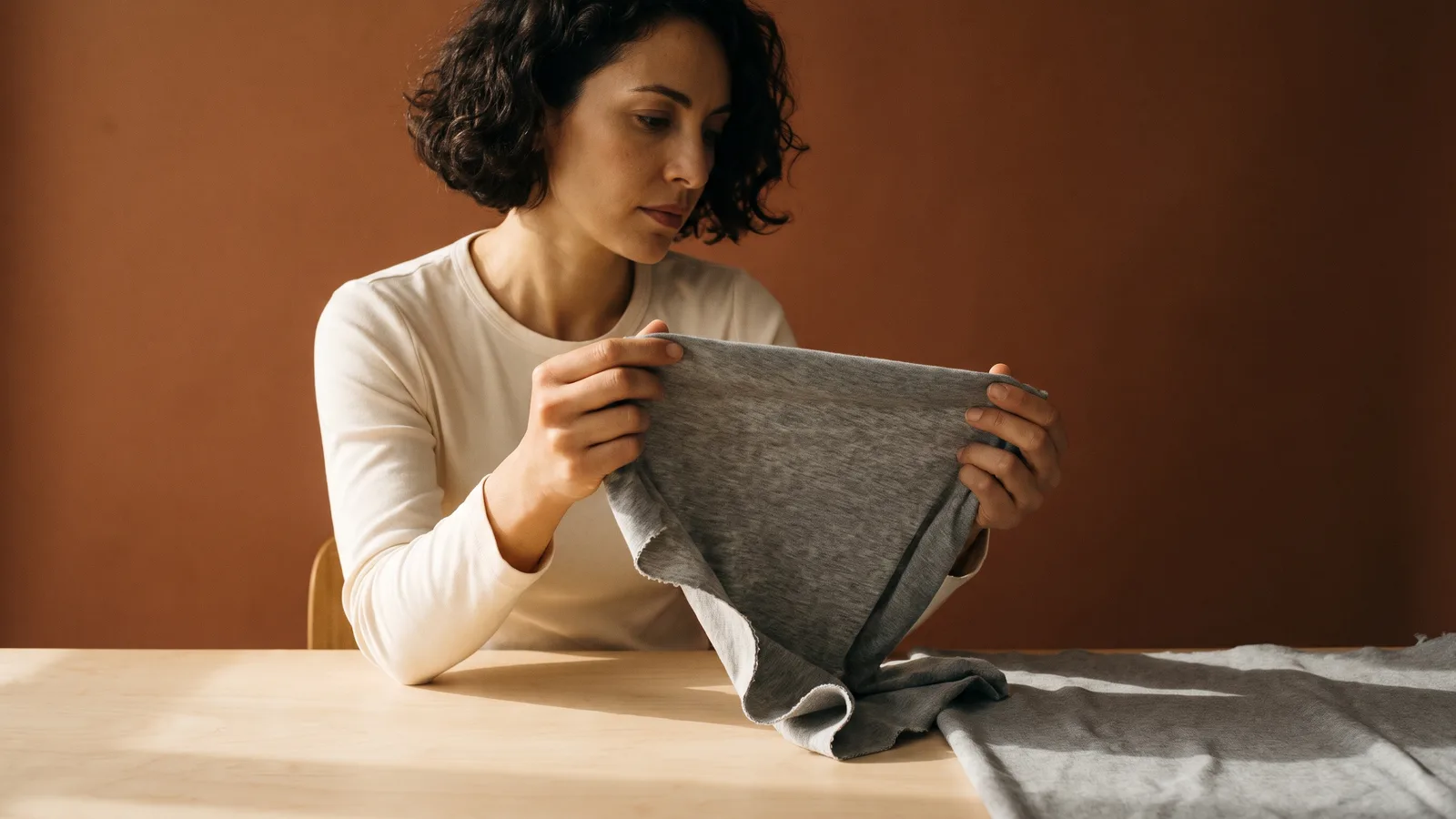
Jersey fabric is arguably the knit we sew most often, from everyday t-shirts to autumn wrap dresses. Yet behind this single name hide very different materials: a cotton jersey light does not behave at all like a Milano jersey dense knit or a swimwear elastane knit. Choosing at random risks a collar that curls, a dress that sags or a sweatshirt that pills after three washes.
At the workshop, when we develop a knit piece for a brand, the first decision is always made by touch: weight, elasticity, drape, recovery. This material sheet reviews eight types of jersey fabric, their uses and the concrete criteria for buying the right knit by the meter. Sewing techniques for stretch materials will be the subject of another article: here, everything is decided before the first cut.
What exactly is jersey fabric?
A jersey fabric is a weft knit, knitted on a single needle bed : a row of needles forms loops that nest into one another. This is what distinguishes it from a woven fabric, such as poplin or canvas, where the yarns cross at right angles. The material therefore stretches naturally, especially crosswise, even without elastane.
It is recognized by its two different faces. The face shows small, well-aligned V columns, the reverse horizontal loops that are more grainy. Another characteristic sign: cut edges roll up on themselves. This curling is normal, but it already tells you how lively the knit is.
The word therefore designates a structure, not a fiber. A jersey fabric can be cotton, viscose, wool, polyester or polyamide, with or without elastane. It is the combination structure, fiber and weight which determines the use, and that is what we are going to detail.
Four soft jerseys for tops and dresses
1. Cotton jersey
It is the classic T-shirt fabric: breathable, soft, easy to iron. Under 160 g/m², it suits summer T-shirts and layering tops; beyond that, more covering tops. Without elastane, its elastic recovery stays limited and necklines can stretch out when worn. Choose a combed cotton for a cleaner surface and less pilling.
2. Cotton elastane jersey
Add a few percent of elastane and the behavior changes completely. The knit recovers its shape after stretching, which makes it the material of leggings, fitted tops, close-fitting dresses and children's garments. Always check the composition : a jersey called «stretch» can contain 2% as much as 8% elastane, and the result is entirely different.
3. Viscose jersey
Viscose jersey appeals through its fluid drape and its fresh, almost silky hand. It is the material of wrap dresses, draped blouses and batwing-sleeve tops. Heavier per equal surface than a cotton, it flows along the body, but it is also less stable to cut and may shrink at the first wash. To compare with woven versions, take a look at our viscose by the meter.
4. Modal or bamboo jersey
Close cousins of viscose, these regenerated cellulose jerseys offer even greater softness and better wash resistance. They are much valued for daywear lingerie, pajamas and sleep T-shirts. Their fineness makes them more transparent in light shades: place them on your hand to judge opacity before buying.
Four more structured knits: interlock, milano, ribs and fleece
5. Interlock
Interlock is a double jersey : two interlocking knits give a fabric identical on both faces, thicker and that does not curl. It is therefore easier to cut and sew, which makes it an excellent choice for beginners in knitwear. It is used for children's garments, polos and T-shirts that must keep their shape.
6. Milano jersey
Milano jersey is a double, dense, smooth knit, often in viscose, polyamide and elastane, or in wool. Its weight, usually around 300 g/m², gives it a hold close to a woven fabric while keeping the comfort of knit. It is the material of autumn straight dresses, pencil skirts, pull-on trousers and unstructured jackets.
7. Ribbed jersey and rib trim
Rib knit alternates raised and recessed columns, which gives it a very strong elasticity crosswise. In a fine version, it suits tank tops and fitted dresses; in a rib version, it finishes necklines, cuffs and sweatshirt hems. A quality rib snaps back to shape instantly when released: that is the test to run.
8. Molleton and sweatshirt knit
Molleton is a jersey whose reverse side is looped or brushed. Looped, it stays breathable and suits mid-season sweatshirts; brushed, it becomes fuzzy and warm for winter. Lightly rub the reverse with the tips of your fingers: a bouclé that sheds fuzz by hand will pill when worn.
Jersey vs. Lycra: two knits not to confuse
The question comes up often in haberdashery. Jersey refers to a knit structure; lycra, in everyday usage, refers to a knit rich in elastane, most often blended with polyamide or polyester, with 15 to 25% elastic fiber. A cotton jersey stretches mostly crosswise; a lycra knit stretches in both directions and springs back instantly.
This difference changes everything in use. Lycra is designed to hug the body and withstand chlorine, salt and perspiration : swimsuits, leotards, bralettes, shapewear. Classic jersey favors comfort, breathability and drape. Cutting a swimsuit in cotton jersey guarantees a piece that relaxes and gets heavier once wet.
For these uses, look to our stretch lycra fabrics, such as the Thick matte lycra midnight blue, whose matte look and density also suit leggings and city bodysuits. For a softer hand, the Thick microfiber, rose brown is an interesting alternative.
Choosing your jersey fabric by the meter: the five criteria
Faced with a jersey fabric by the meter, in store or on a product page, five pieces of information are enough to tell whether it will suit your pattern. Check them before ordering: this is where most disappointments happen.
- The weight : under 160 g/m² for a lightweight t-shirt, 180 to 250 g/m² for a dress or a full-coverage top, heavier for a milano or a sweatshirt.
- The stretch percentage : stretch 10 cm of fabric along a ruler. If it reaches 12.5 cm, it offers 25% stretch, enough for a t-shirt; a close-fitting design often requires 50% or more.
- The recovery : release. The knit should return to 10 cm without rippling, otherwise it will distort when worn.
- The composition : natural fibers for breathability, man-made for drape, synthetics and elastane for structure.
- The width : a tubular or narrow knit changes the yardage needed; recalculate your cutting plan accordingly.
The pattern usually states the required stretch percentage, and it is the most important piece of information. A pattern designed for a 50% knit, cut in an interlock with 20% stretch, will simply be too tight. To compare materials, browse our jersey by the meter, then the eco-friendly materials if traceability matters for your collection.
Preparing a jersey fabric before cutting
A knit should be prepared before it is cut. Wash your jersey fabric at the temperature planned for the finished garment : cotton and viscose can shrink several percent on first wash, especially lengthwise. Dry flat or at low temperature so you don't relax the fibers.
Then let the knit rest overnight flat, without letting it hang off the edge of the table: its own weight is enough to stretch it and distort the cut. Locate the grainline by following a wale rather than the selvage, which is often pulled or perforated. If the wales lean diagonally after washing, the jersey is skewed : it's better to know this before investing time in a pattern.
For care, turn your pieces inside out, wash them at 30 °C and avoid fabric softener on elastane knits, as it weakens the elastic fiber. Milanos and fleeces should be stored folded, never on a hanger, so they don't stretch at the shoulders.
The right jersey fabric for every project
Keep one simple rule in mind: cotton for breathability, viscose and modal for fluidity, interlock and milano for structure, ribbing and fleece for winter comfort, Lycra for sport and beach. Before buying, always test weight, stretch and recovery : these three checks prevent most failures.
If you're torn between two knits, a small test length and a test neckline will tell you everything. Ten minutes of prototyping are worth more than a full dress that doesn't hang as planned. That's exactly the approach we follow in the studio before every development: a well-chosen jersey fabric already accounts for half the garment.
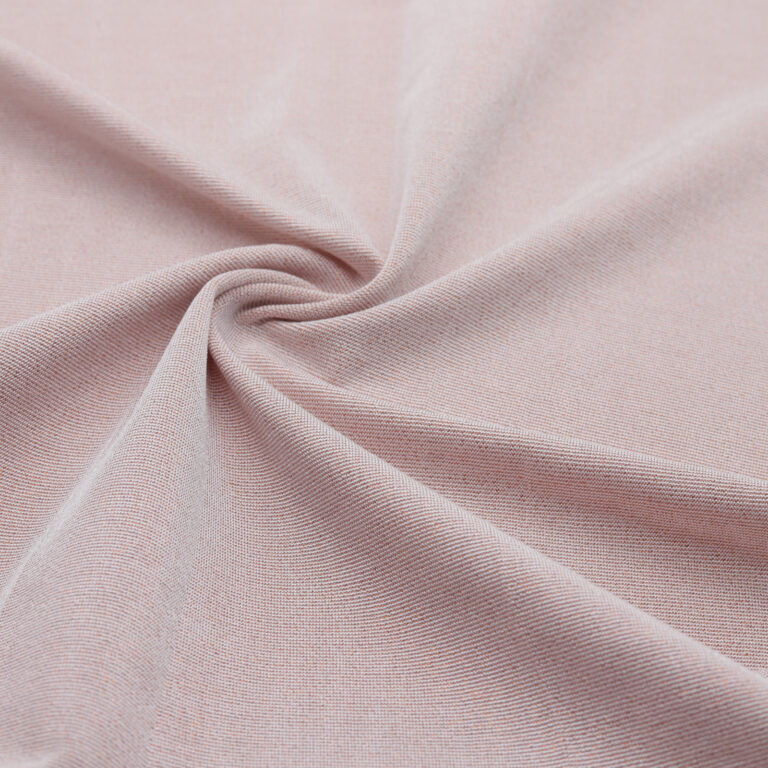 DY2502
Light pink lurex jacquard knit fabric
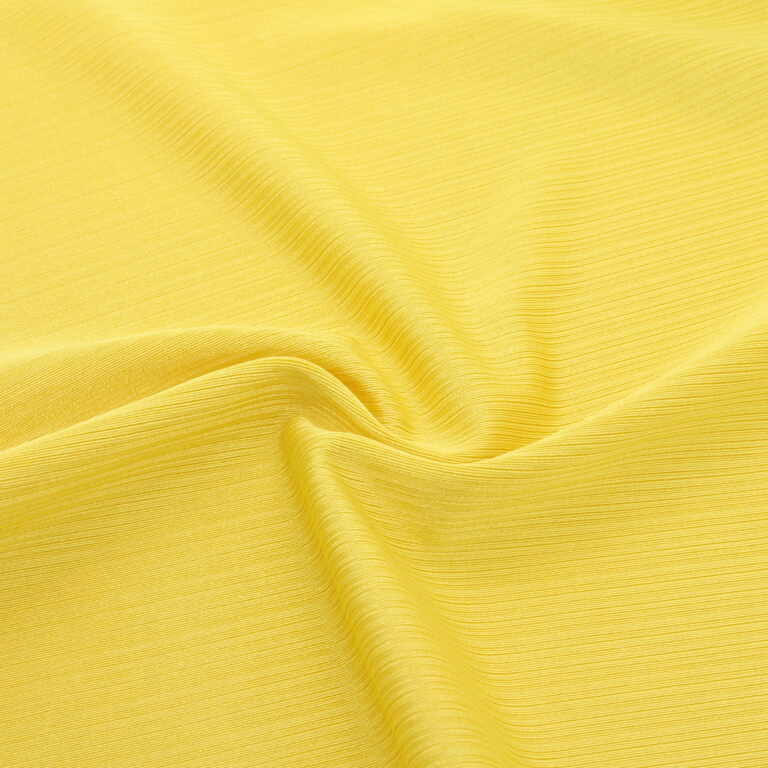 DY8800-3
Yellow stretch polyester fabric
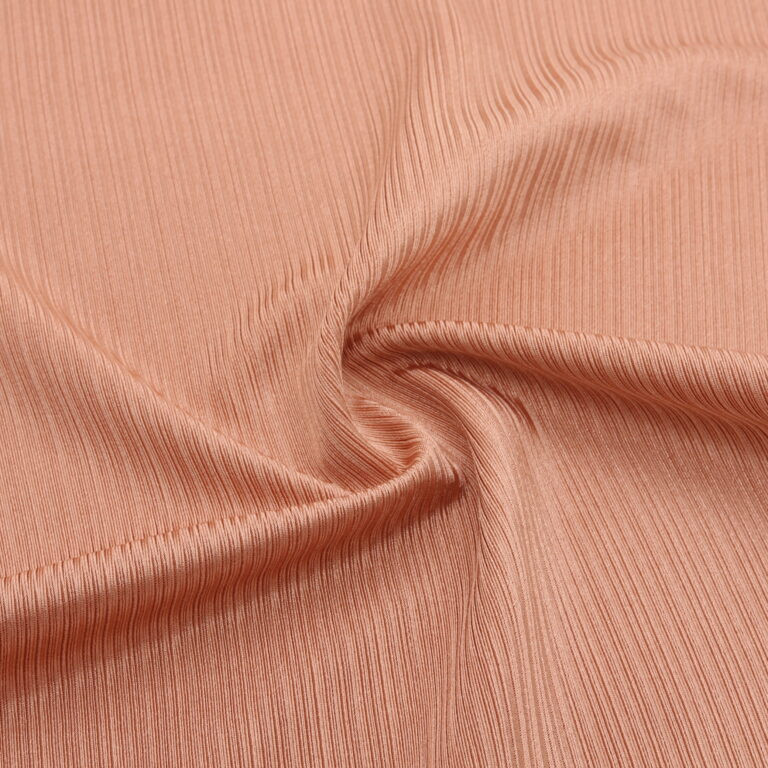 DY8800-2
Caramel brown stretch polyester fabric
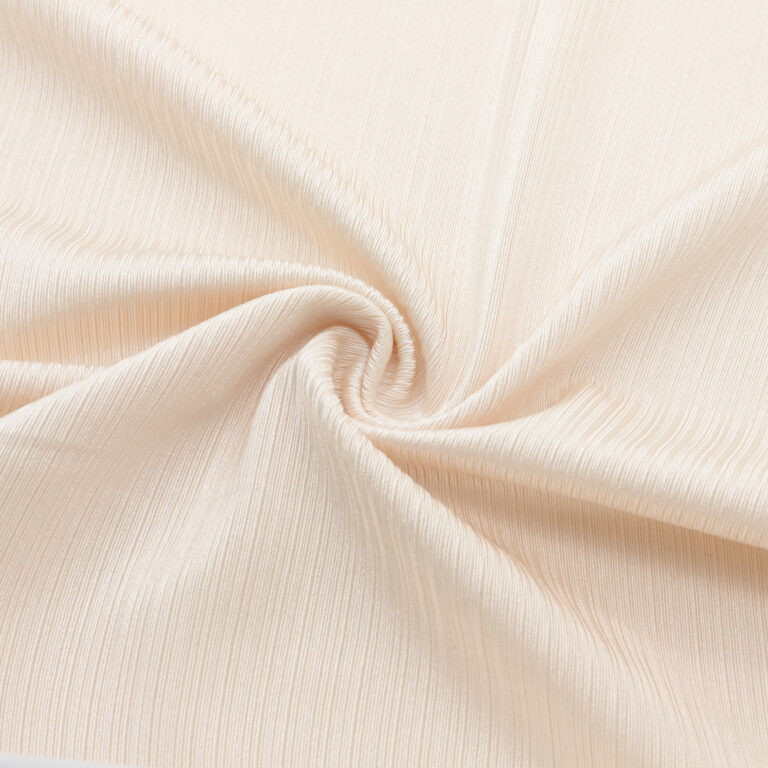 DY8800-1
Beige stretch polyester fabric
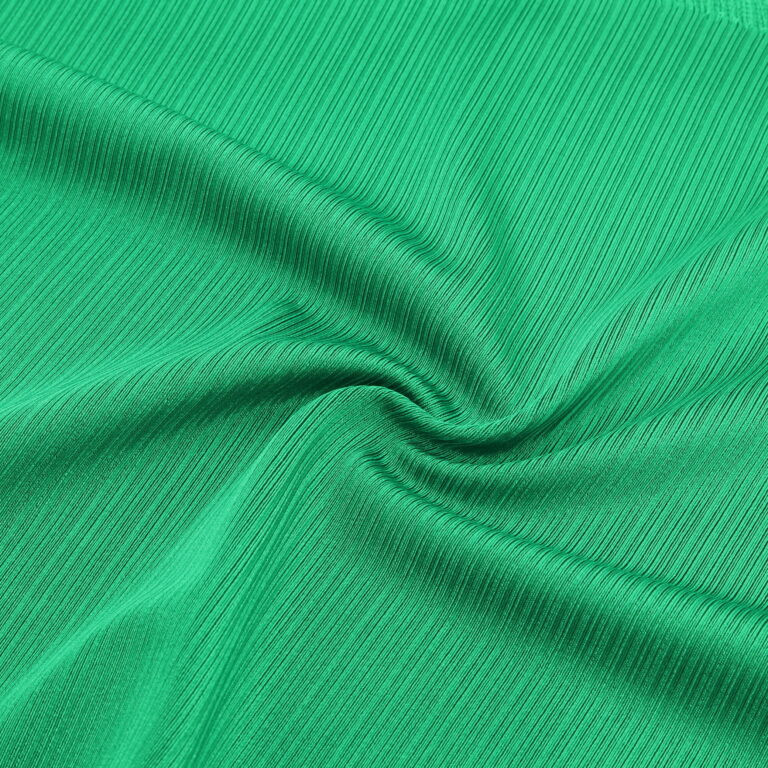 DY8800
Green stretch polyester fabric
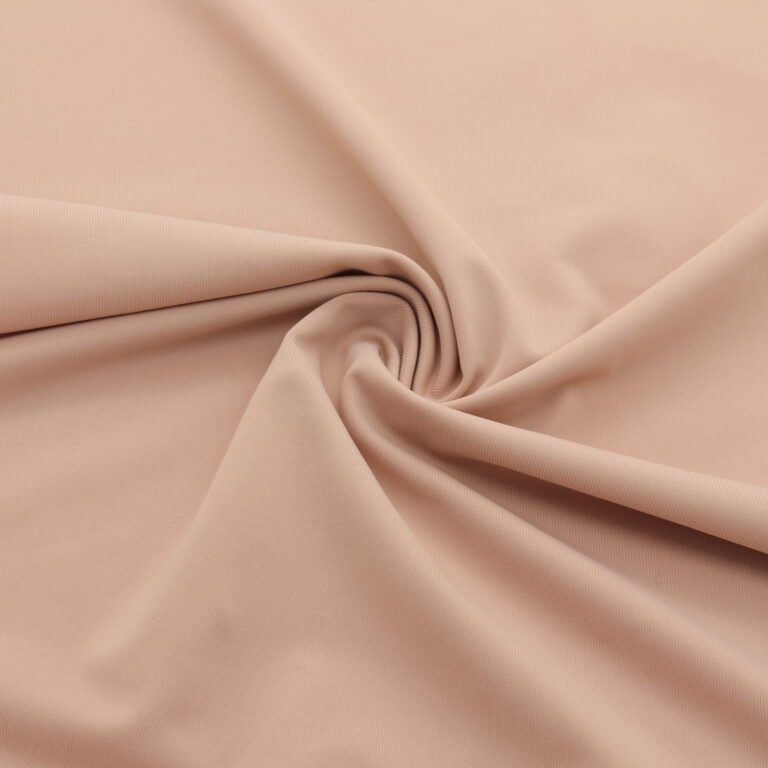 DY72161
Soft flesh-colored jersey fabric
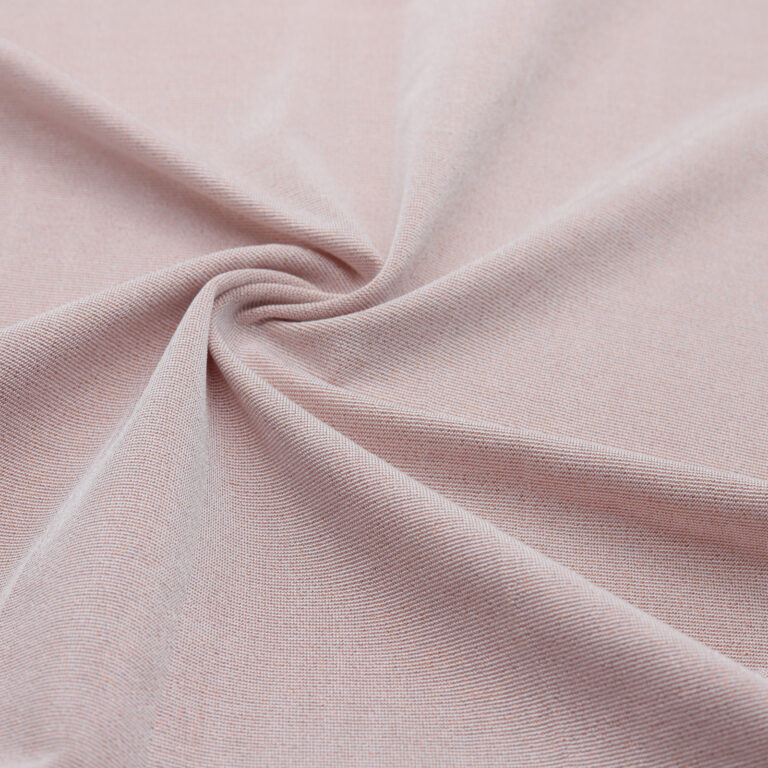 DY2502-50M
Light pink lurex jacquard knit fabric (50m roll)
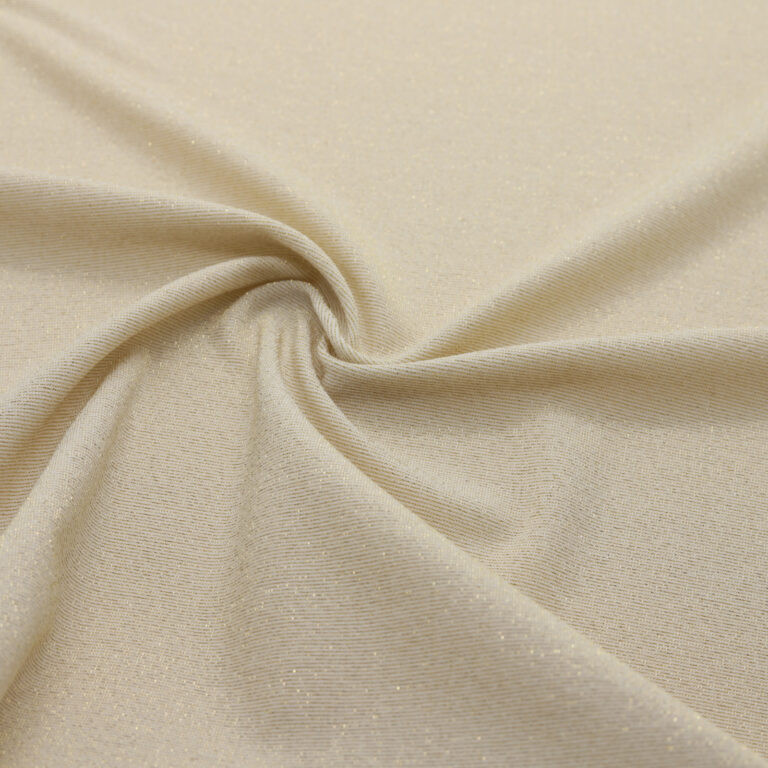 DY2501-50M
Gold lurex fabric (50m roll)
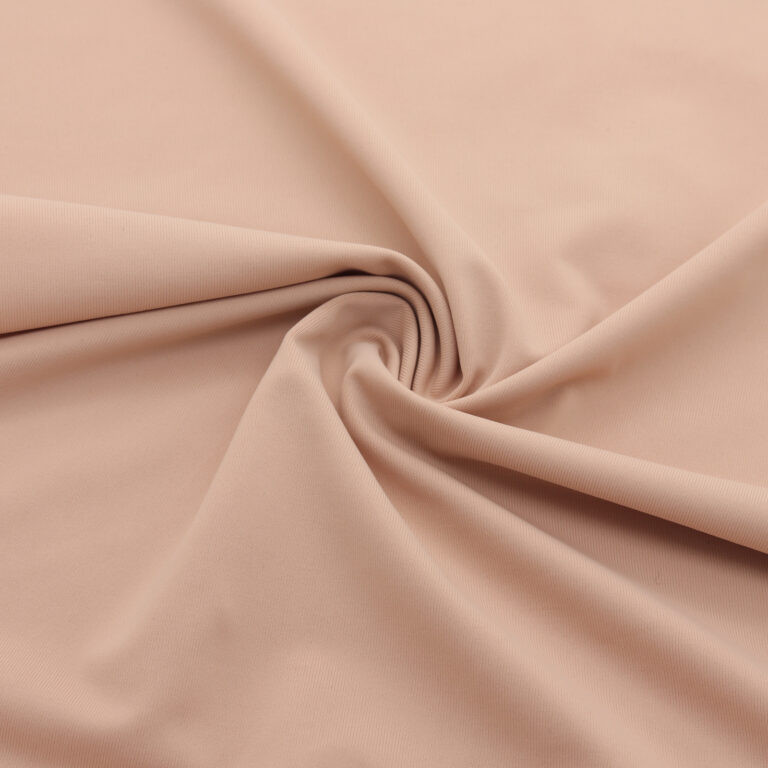 DY72161-50M
Nude jersey fabric (50m roll)
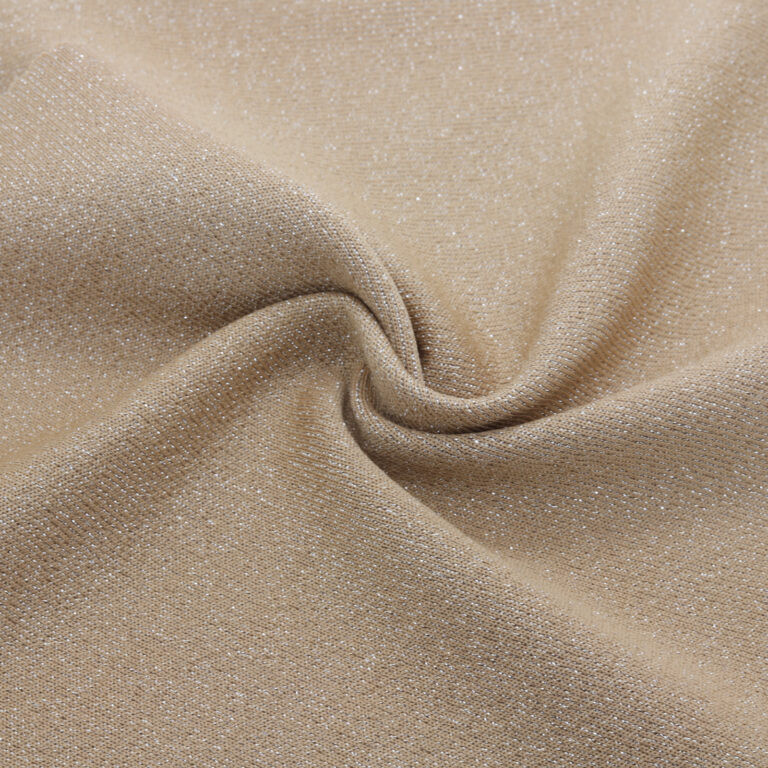 DY80080-50M
Gold metallic jacquard fabric (50m roll)
YRSAN's haberdashery : fabrics by the meter and supplies selected by the workshop. Discover the haberdashery
Written at the D'YRSAN workshop in Asnières-sur-Seine, where we develop and produce our clients' collections: pattern making, prototyping, industrialization, small-batch production.
Tell us about your project→