The Journal / Materials and fabrics
Lycra Fabric: 9 Things to Know About This Stretch Material
Composition, weight, matte or shiny finish, uses and care: nine practical guidelines to help you choose and sew your Lycra fabric with confidence.
9 November 2026 6 min read By the D'YRSAN workshop
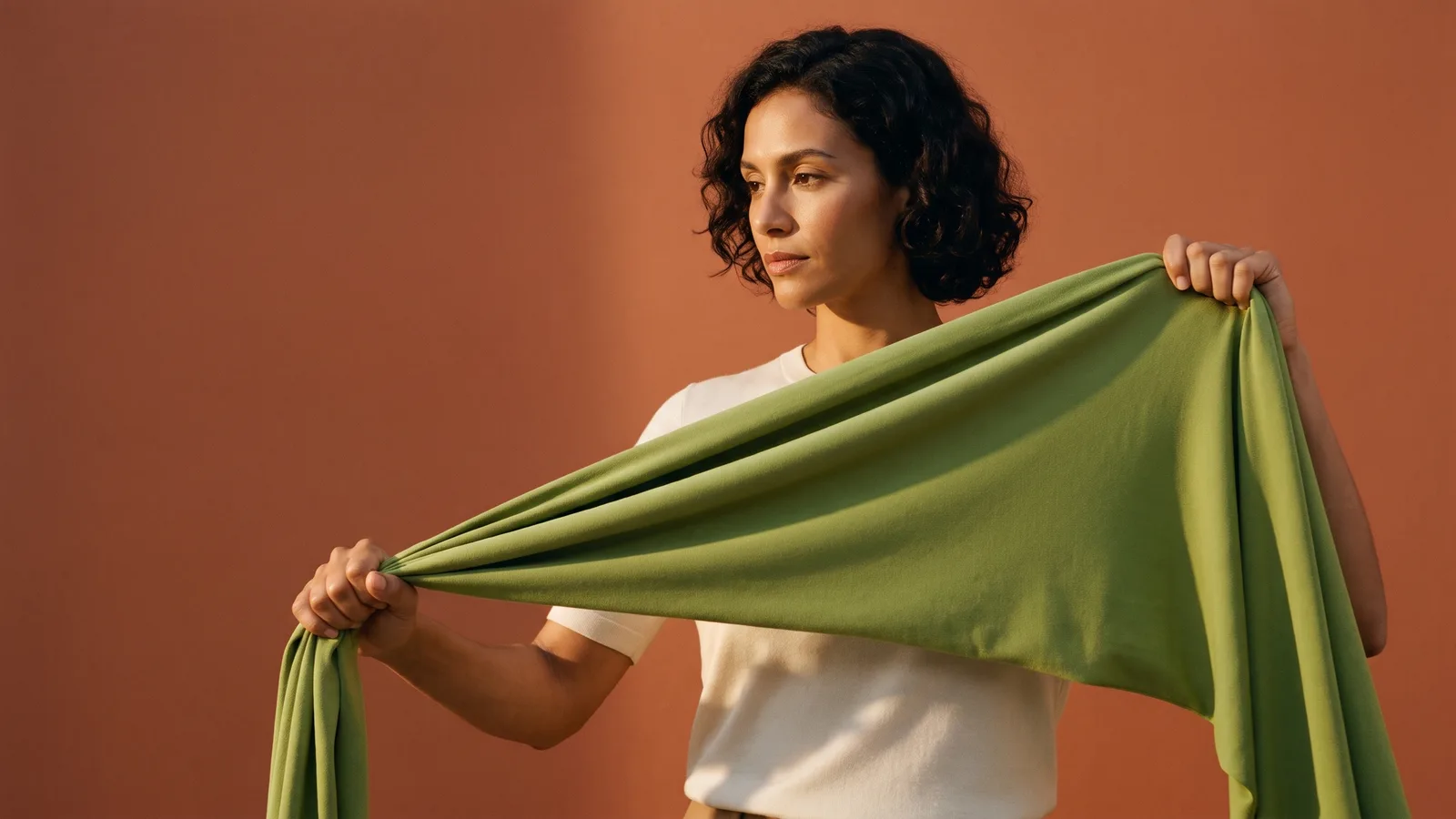
Visit lycra fabric is one of the most requested materials in our haberdashery, and yet one of the least understood. Behind this name lies a family of stretch knits that dress a swimsuit just as well as a bodysuit, a sports bra or a close-fitting dress.
In our workshop in Asnières-sur-Seine, we work these fabrics every day for the swimwear and lingerie brands we support. Here are the nine points we explain before any first order: what the fiber really is, how to read a composition and a weight, which finish to choose, then how to sew and care for the material without wearing it out.
Lycra fabric: what exactly is it?
1. A brand that became a common noun
Lycra originally designates the trade name of an elastane fiber developed in the late 1950s by an American chemist. The word has passed into everyday language, like many product names that left their mark on their era. Today, when we speak of lycra fabric, we most often mean a highly elastic synthetic knit, regardless of the fiber's manufacturer.
The question «what is lycra?» therefore calls for a two-part answer: it is an elastic fiber, but also, by extension, any fabric that contains a substantial share of it. This second meaning is the one most haberdashery shops use, ours included.
2. Lycra and elastane: what is the difference?
Technically, there is no difference at all: lycra is an elastane. This segmented polyurethane fiber can stretch to 5 to 7 times its length at rest before returning to its original shape. In the United States, the same family of fibers goes by the name spandex.
The real difference lies in the finished fabric. An elastane yarn is never used alone: it is always combined with another fiber, polyamide, polyester or cotton, which provides structure, handle and color. It is this blend that gives a fabric its character, far more than the origin of the stretch fiber.
Composition and weight of lycra fabric
3. Reading the composition on the label
The composition of a lycra fabric is expressed in percentages. For swimwear, the most common pairing combines 80% polyamide and 20% elastane, sometimes 85/15 for a knit that is a little less shaping. Polyamide offers a soft handle, deep color saturation and quick drying.
Polyester-elastane blends hold up better to chlorine and UV rays: they suit pool swimsuits and intensive sportswear. Conversely, a cotton jersey often contains only 3 to 8% elastane : it stretches, but has neither the recovery nor the support of a true swimwear knit.
4. Understanding the weight
The weight, expressed in grams per square meter, indicates thickness and support. Count roughly 150 to 180 g/m² for a light knit intended for lingerie or lining, 180 to 220 g/m² for a classic swimsuit, and above 220 g/m² for a thick, shaping knit.
A higher weight gives better coverage, stays less sheer once wet and sculpts the silhouette even more. Our thick matte knits, such as the Thick matte lycra midnight blue, are especially suited to structured swimsuits that must hold their shape without padding.
Matte or shiny lycra: choosing the finish and the stretch
5. Matte or shiny, a question of yarn and finish
The sheen of a lycra fabric depends above all on the shape of the polyamide or polyester yarn. A trilobal cross-section yarn reflects light like a prism and gives a satiny, even wet-look finish. A microfiber yarn or a brushed finish, on the contrary, absorbs light and produces a matte, more understated effect.
The choice between matte or shiny lycra also depends on the silhouette. Shiny fabric accentuates volumes and suits evening or stage pieces. Matte visually refines and pairs well with minimalist collections: this is the case of the matte green lycra fabric, prized for clean-lined one-piece swimsuits. For a softer sheen, the elastane satin offers a lovely alternative.
6. Bi-stretch: check the stretch in both directions
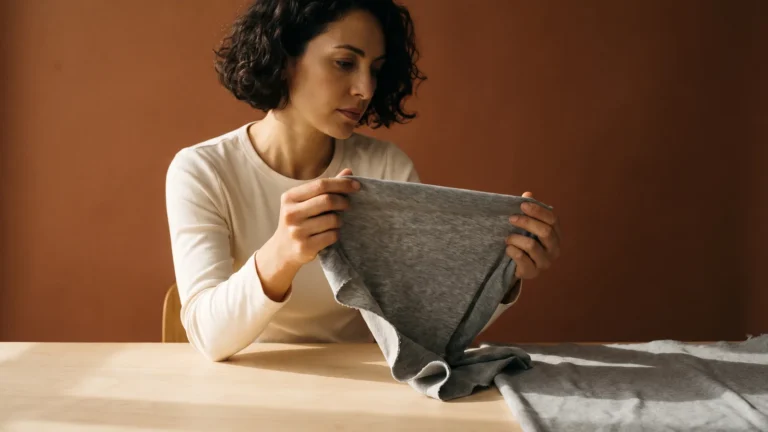
A good lycra fabric is described as bi-stretch or four-way stretch : it stretches lengthwise as well as crosswise. Before cutting, pull about ten centimeters in each direction and observe two things: the stretch percentage and recovery, that is, its ability to lie flat again without rippling.
A knit that stays stretched out after a few stretches will give you a swimsuit that bags after a few swims. Always check the direction of greatest stretch : it should follow the circumference of the body on your pattern.
The uses of lycra fabric, from swimwear to ready-to-wear
7. Choosing the right knit for each piece
Swimwear remains the king use of lycra fabric. It requires a dense knit, resistant to salt and chlorine, with flawless recovery. You will find our dedicated selections among the swimwear fabrics, where plain knits sit alongside textured jacquards.
In lingerie, we favor lighter weights for bodysuits, briefs or cup linings; the lingerie fabrics, mesh and net, pair very well with a lycra knit. Sportswear calls for breathable blends and opaque when stretched, especially for leggings.
Ready-to-wear finally uses this material for sheath dresses, second-skin tops and jumpsuits. A medium weight and a matte finish then offer the most flattering drape. Also consider finishes: a gold swimwear buckle placed at the center of a neckline turns a simple piece into a signature design.
Sewing and caring for lycra fabric without wearing it out
8. Cutting and sewing
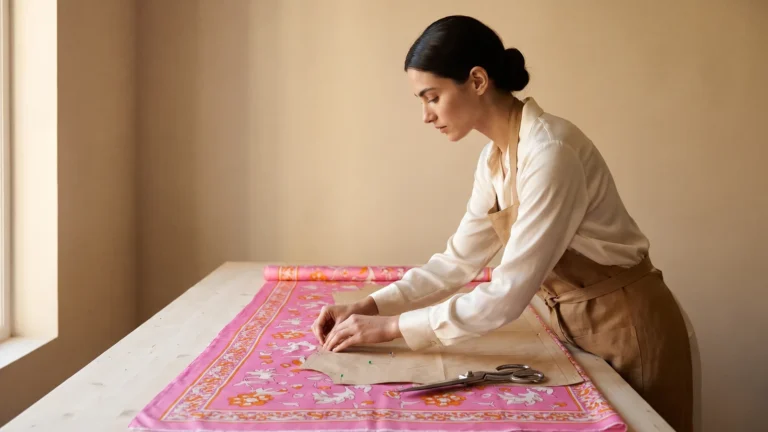
Cut flat, without letting the knit hang off the table, with well-sharpened scissors or a rotary cutter. Prefer weights to pins, or pin only within the seam allowances so as not to mark the knit. For a fitted swimsuit, the pattern is generally reduced by 10 to 20% compared to body measurements.
On the machine, fit a stretch needle size 75 to 90 and polyester thread. A zigzag stitch set to around 2.5 mm in width and length is enough on a home machine; the 4-thread overlocker gives cleaner and stronger seams. Swimwear elastics are applied while stretching them slightly, especially at the crotch and back.
9. Maintaining elasticity
Chlorine, heat and sunscreen are the three enemies of elastane. Rinse the garment in clear water right after swimming, then wash it by hand or in a machine on 30 °C maximum, without fabric softener : it coats the fibers and reduces their recovery.
Dry flat and in the shade, never on a radiator or in the tumble dryer. Avoid the iron; if a crease persists, use a pressing cloth on a low-temperature setting. These simple habits noticeably extend the life of a swimsuit or bodysuit.
In short: how to choose your lycra fabric by the meter
A lycra fabric is judged on four criteria: its composition, its weight, its look and its recovery. Once these pointers are in mind, reading a product sheet becomes clear and the risk of error drops considerably.
For yardage, a one-piece swimsuit often requires between 50 and 80 cm in wide width, a two-piece slightly less; add the lining and a margin to position the stretch direction correctly. Our selection of lycra fabric by the meter is gathered in the category stretch lycra fabrics from our online haberdashery. Stretch, touch, compare: the material is what determines how a piece will fit and feel, well before the pattern.
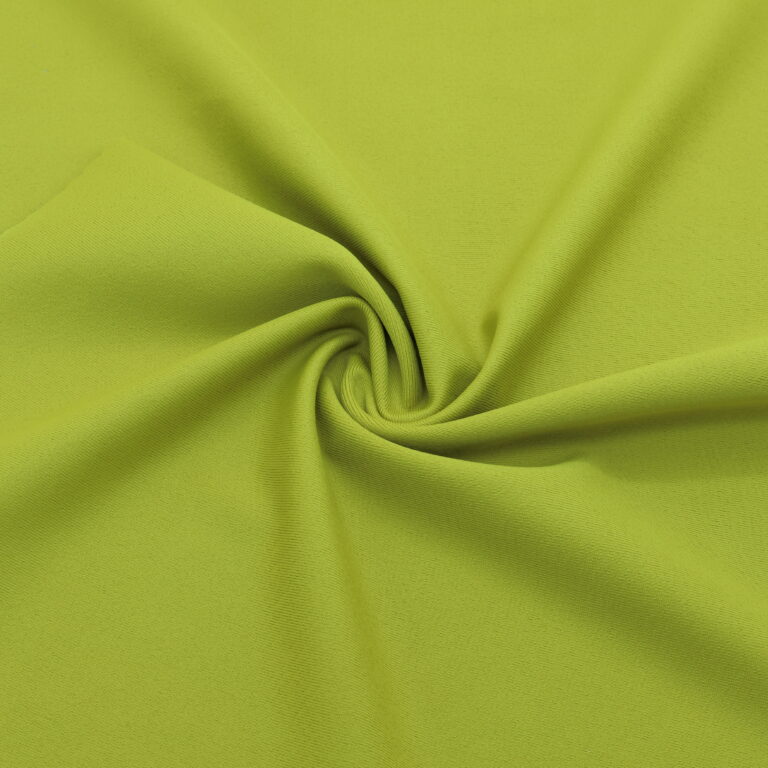 DY99026
Matte green lycra fabric
 DY97519
Thick microfiber fabric, rose brown
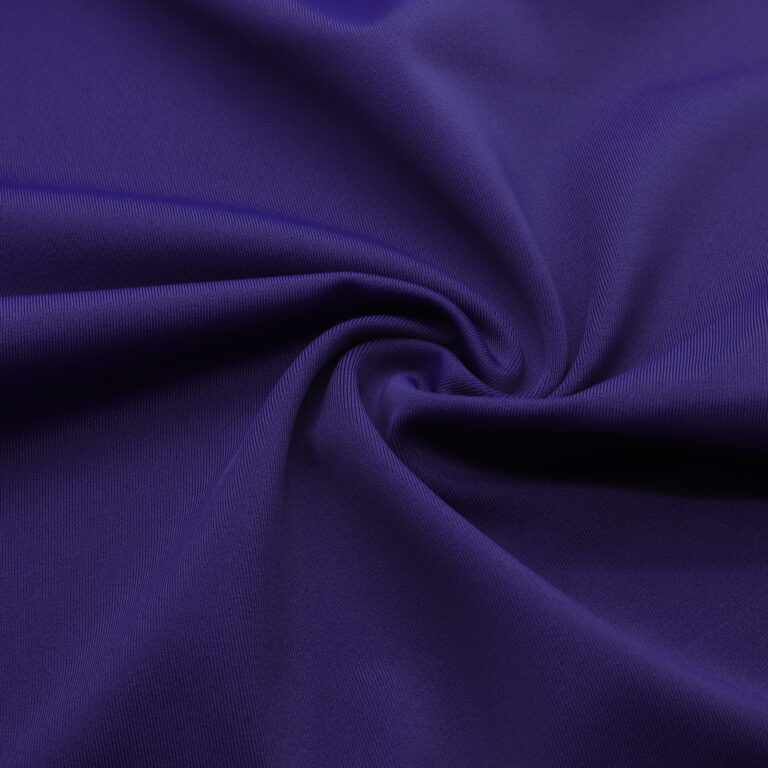 DY7070-A3299
Thick matte Lycra fabric, midnight blue
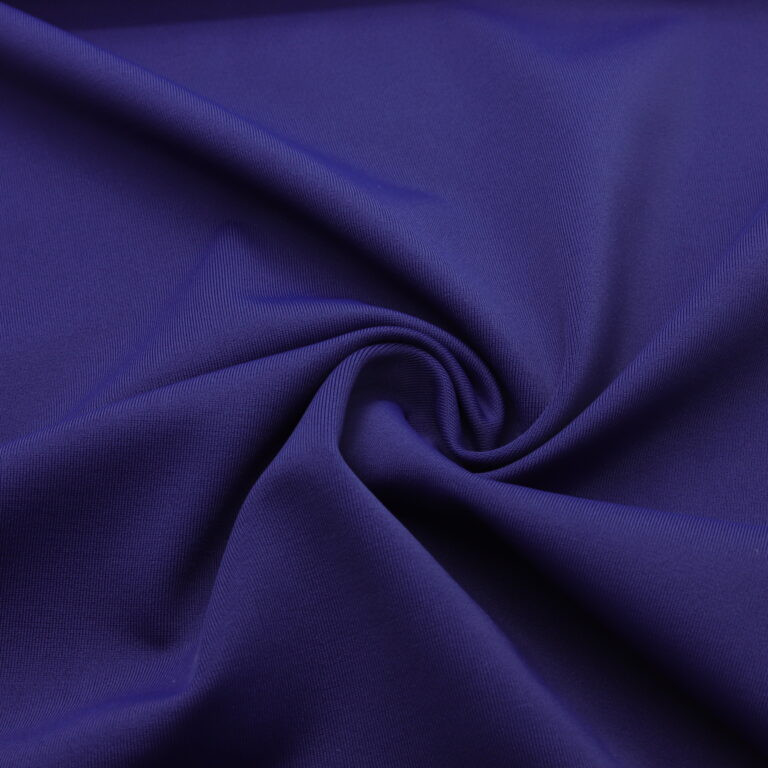 DY7070-A2619
Thick matte Lycra fabric, navy blue
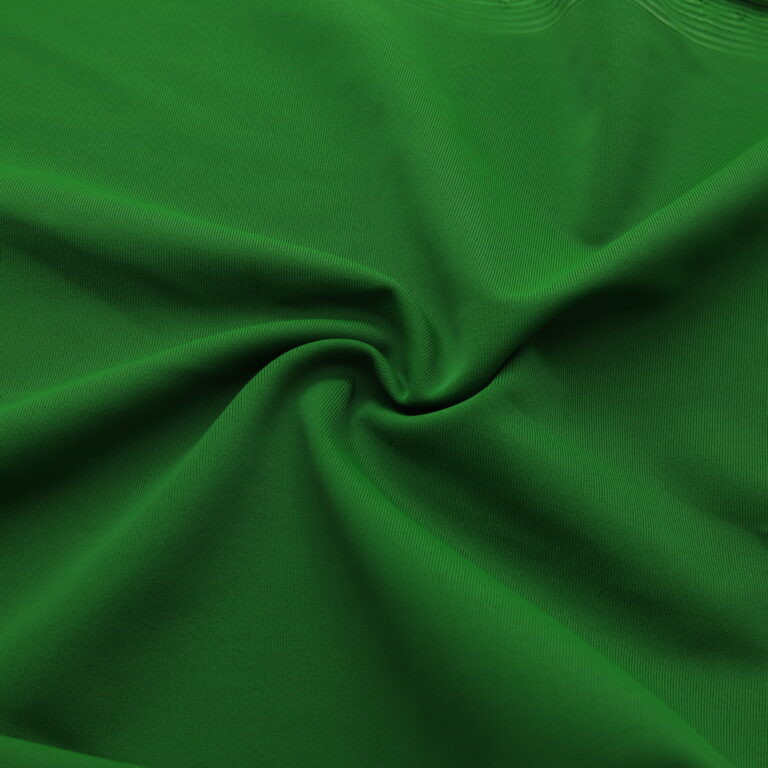 DY7070-A3999
Thick matte Lycra fabric, meadow green
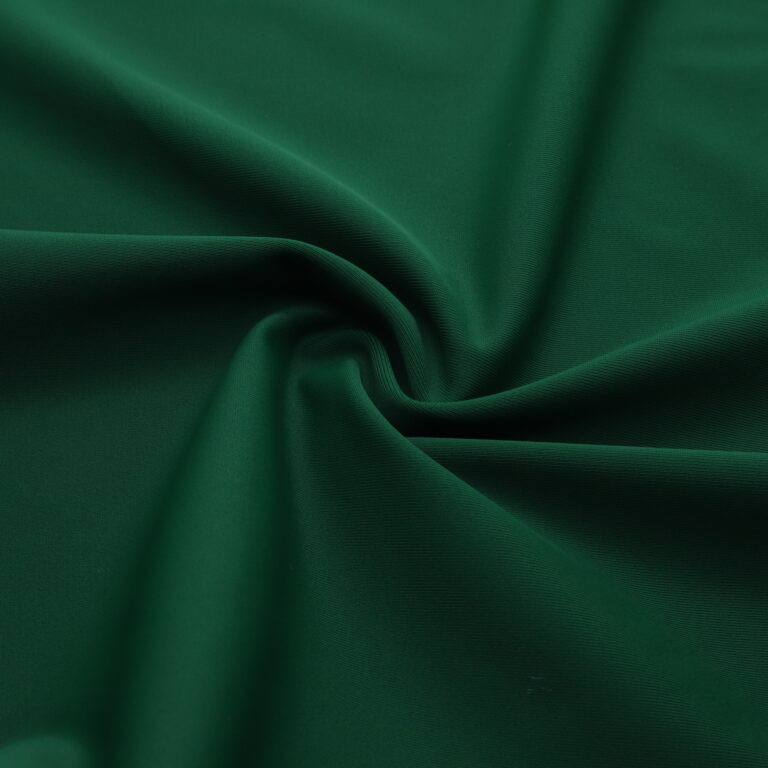 DY7070-A0999
Thick matte Lycra fabric, dark green
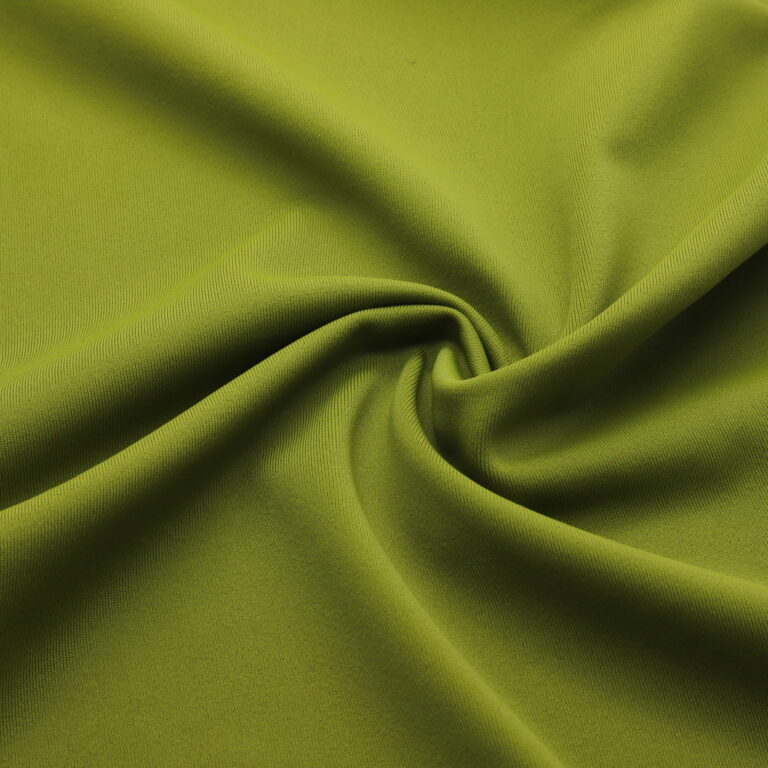 DY7070-A0699
Thick matte Lycra fabric Olive green
 DY7070-A2799
Thick matte Lycra fabric, soft green
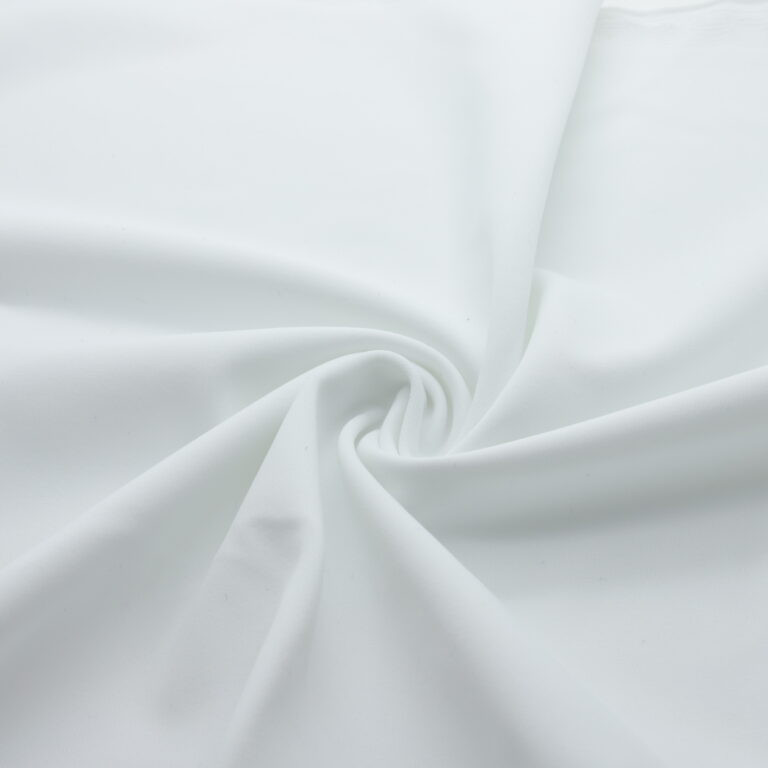 DY7070-A0101
Thick matte white Lycra fabric
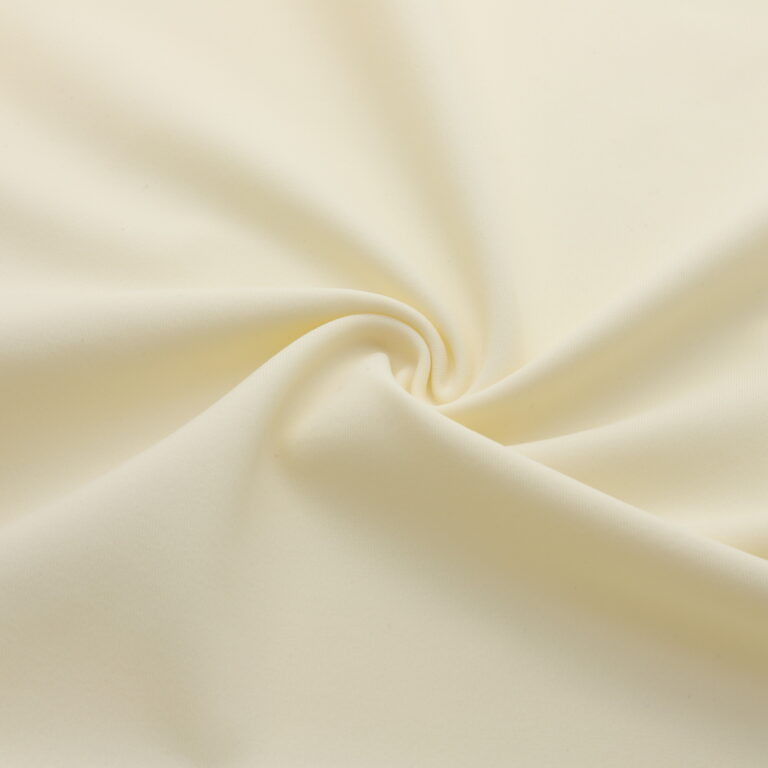 DY7070-A0201
Thick matte ivory Lycra fabric
YRSAN's haberdashery : fabrics by the meter and supplies selected by the workshop. Discover the haberdashery
Written at the D'YRSAN workshop in Asnières-sur-Seine, where we develop and produce our clients' collections: pattern making, prototyping, industrialization, small-batch production.
Tell us about your project→