Sewing stretch fabric: 10 adjustments and tips for successfully sewing lycra and jersey without puckering
Needle, stitch, presser foot, finishing: the 10 workshop settings for sewing stretch fabric without puckering, from lycra to jersey.
October 27, 2026 7 min de lecture Par l’atelier D’YRSAN
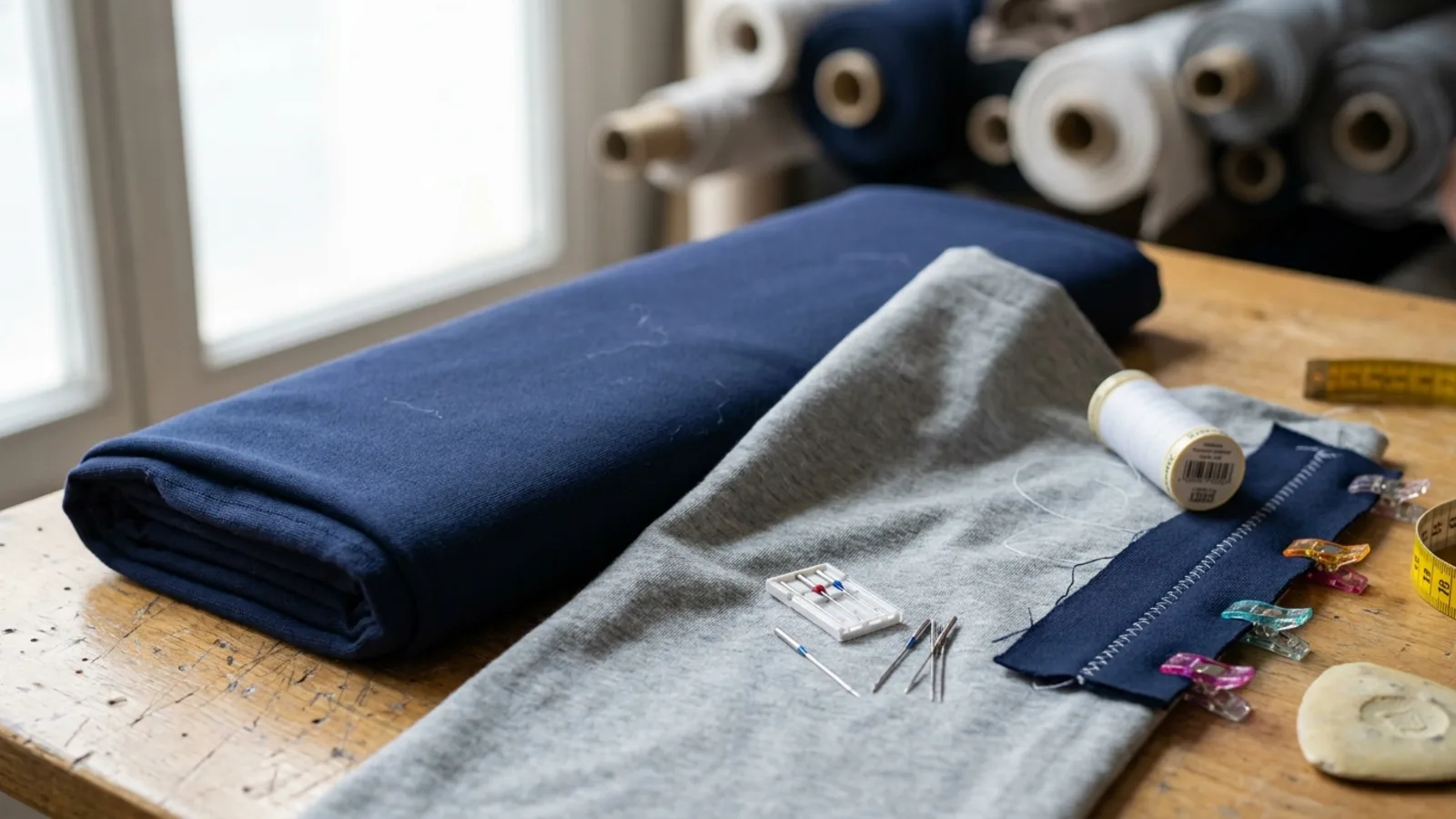
Sewing with stretch fabric is daunting for many seamstresses: puckered seams, skipped stitches, threads that break on the first try. Yet, lycra and jersey work very well on a home sewing machine, provided you adjust a few precise settings. In our workshop, where we develop swimwear and lingerie for brands, these techniques have become second nature.
Here are the 10 settings and tips that we apply daily, from the needle to the iron. They are worth a elastane fabric For a swimsuit, use cotton jersey for a t-shirt or stretch satin for lingerie. Keep a scrap of your fabric handy: every adjustment should be checked first on a test run.
Understanding the material before sewing stretch fabric
A stretch fabric owes its elasticity to its knit construction, the presence of elastane, or both. Jersey Lycra is a fabric that stretches naturally, especially widthwise. Swimsuit lycra typically combines polyamide and a significant amount of elastane, often between 15 and 20 %, which gives it a very responsive elastic rebound.
Setting 1: Measure the direction and rate of stretching
Find a 10 cm mark on one edge, then gently stretch this section against a tape measure, without forcing it. If it reaches 15 cm, your fabric is stretching by 50 % in this direction. Repeat the operation lengthwise: a bi-stretch fabric, like most jersey fabrics, stretches in both directions, a classic jersey mainly across the width.
This number determines everything else: the choice of pattern, the length of the elastic, and how you will guide the sewing. Write it down on a label pinned to your fabric piece. Place the direction of greatest extensibility around the body, unless otherwise indicated in the pattern.
For your first attempts, a thick, matte lycra is easier to handle than a very thin material, which tends to roll up more when cut. The selection of stretch lycra fabrics offers several, like this Thick matte navy blue lycra, ideal for training on a swimsuit bottom.
Stretch needle and thread: the duo that prevents skipped stitches
Setting 2: Choosing the correct needle
A universal needle has a slightly sharp point that doesn't grip elastane fibers well, hence the skipped points. L'’stretch needle It has a rounded point and a specially designed eye to form the loop of the stitch despite the fabric's elasticity. It's the best option for lycra, elastane satin, and very stretchy fine knits.
For a more stable cotton jersey, a jersey needle, also known as a ball-point needle, is often sufficient. As for the size, consider... 70 to 75 for fine materials and 80 to 90 For thick stitches or jacquards. Change needles at the beginning of each new project: a blunt point is the primary cause of holes and pulled threads.
Setting 3: a thread that accompanies the stretching
Prefer a 100 % polyester yarn, Stronger and slightly more flexible than cotton, this fabric is ideal for high-stress jersey seams. For these seams, a woolly nylon thread in the bobbin, or in the loopers of an overlock machine, provides added elasticity and a soft feel against the skin. Avoid winding this woolly nylon thread at full speed: it stretches and the bobbin becomes too tight.
What stitch should I choose for stretch fabric on my machine?
A standard straight stitch has no elasticity: it breaks at the first stretch. Therefore, the key to sewing stretch fabric is choosing a stitch for stretch fabric capable of following the material without deforming it.
Setting 4: the narrow zigzag, base point
The zigzag stitch is the simplest stitch, found on all machines. Set a width of 1 to 1.5 mm and a length of 2.5 mm for a nearly invisible seam that stretches with the fabric. For edge finishes, widen to 3 or 4 mm to prevent the knit from rolling.
Setting 5: Integrated elastic points
Most recent machines offer a triple stretch stitch, The first stitch, which goes over the same spot three times, and a simulated overlock stitch, which joins and overlocks in one pass. The first is very strong but difficult to unpick: reserve it for crotch seams and high-stress areas. The second is well-suited to the side seams of a jersey T-shirt if you don't have an overlock machine.
Setting 6: Overlock stitch and stitch length
If you own a overlock machine, This is the ideal tool for sewing lycra: the four-thread stitch assembles, cuts, and overlocks in a single pass while remaining flexible. Set a stitch length around 2.5 to 3 mm and test the stretch of the seam on a scrap piece: it should stretch as much as the fabric without breaking.
Presser foot and tension: sewing stretch fabric without puckering
A wavy seam rarely comes from the stitch itself, but from the way the fabric is fed. The feed dogs pull the layer underneath while the presser foot brakes the layer above: the material stretches under the needle, then retracts as it exits the machine, forming waves.
Setting 7: Reduce foot pressure
If your machine allows it, Reduce the pressure on the presser foot by one or two notches: the fabric then glides without being stretched. On an overlocker, also play with the’differential drive. A setting greater than 1, between 1.3 and 1.5, slightly tightens the seam and eliminates ripples on the jersey.
Setting 8: Dual drive and thread tension
Visit dual drive foot It feeds both layers at the same speed: it's the most cost-effective accessory for sewing stretch fabric on a home sewing machine. Regarding tension, slightly lower the top thread if the seam puckers. Let the fabric feed on its own and never pull it, neither in front of nor behind the needle.
Thin and slippery materials, such as satin elastane or the lightweight jerseys, tend to be "swallowed" by the needle plate at the start. Begin 5 mm from the edge, holding both threads behind the foot, or slip a strip of tissue paper under the fabric, which you will then tear away.
Hems, elastic and finishes on lycra and jersey
The finishing touches are where you can most quickly see if you've sewn stretch fabric properly. A pulled hem or poorly placed elastic is enough to give an otherwise well-made garment a homemade look.
Setting 9: The double needle hem
Without a coverstitch machine, the’double stretch needle It perfectly imitates a professional hem: two rows of straight stitches on the right side and a zigzag stitch on the wrong side. Choose a spacing of 4 mm, Lengthen the stitch to 3 mm and sew on the right side, holding the hem in place with clips rather than pins. If a bulge forms between the two rows, loosen the tension of the top thread.
Setting 10: Stabilize what should not be stretched
Certain areas benefit from remaining fixed: the shoulders of a t-shirt, the V-neck, the edge of a pocket. stretchable iron-on tape or a transparent ribbon tucked into the seam prevents these parts from losing their shape when worn. For a swimsuit, the elastic edge is cut approximately 10 to 20 % shorter that the edge, depending on the area, then lies slightly taut, turns over and is topstitched with a zigzag stitch.
Always go back to Warm iron, without direct steam, through a damp cloth: elastane doesn't withstand heat well. A slightly wavy seam can often be fixed by a cloud of steam above it, without using the iron. The loops, belt loops and jersey connectors They are placed last, on straps that are already finished.
Sewing with stretch fabric: remember the essentials
To sew stretch fabric with ease, keep this order in mind: measure the stretch, Insert a suitable needle, choose an elastic stitch, lighten the presser foot, and then finish without stretching. Each fabric reacts differently, and the same setting may work for cotton jersey but fail on shiny lycra. That's why...’essay on falling remains the most precious gesture of the workshop.
Start with a simple project, a jersey top or swimsuit bottoms, in a stable and thick material chosen from the swimsuit fabrics. Once you've mastered these ten settings, you'll approach textured jacquards, mesh, and stretch satins with the same confidence. The rest is a matter of practice: by the third garment, these techniques will become second nature.
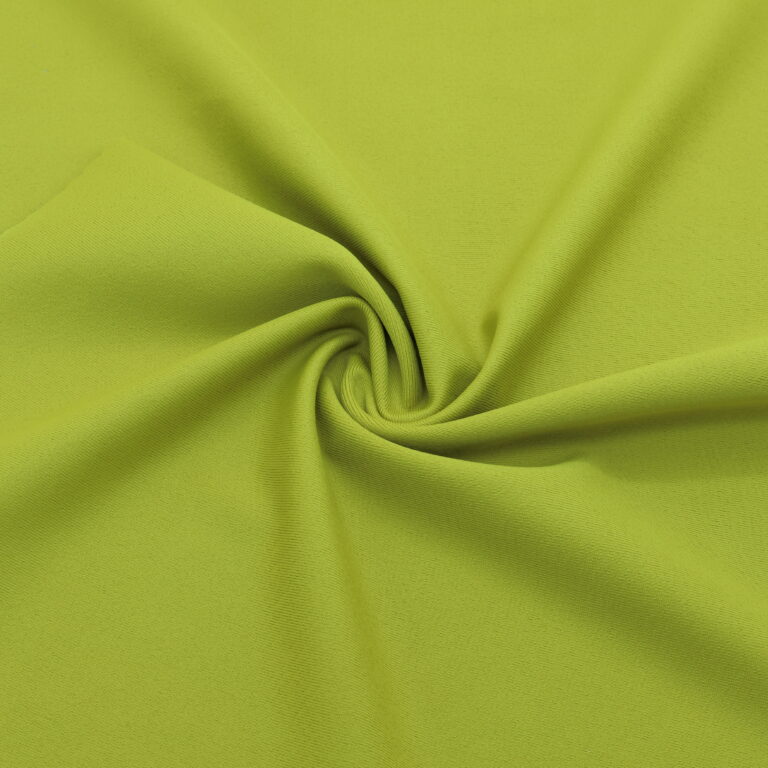 DY99026
Matte green lycra fabric
 DY97519
Thick microfiber fabric, rose brown
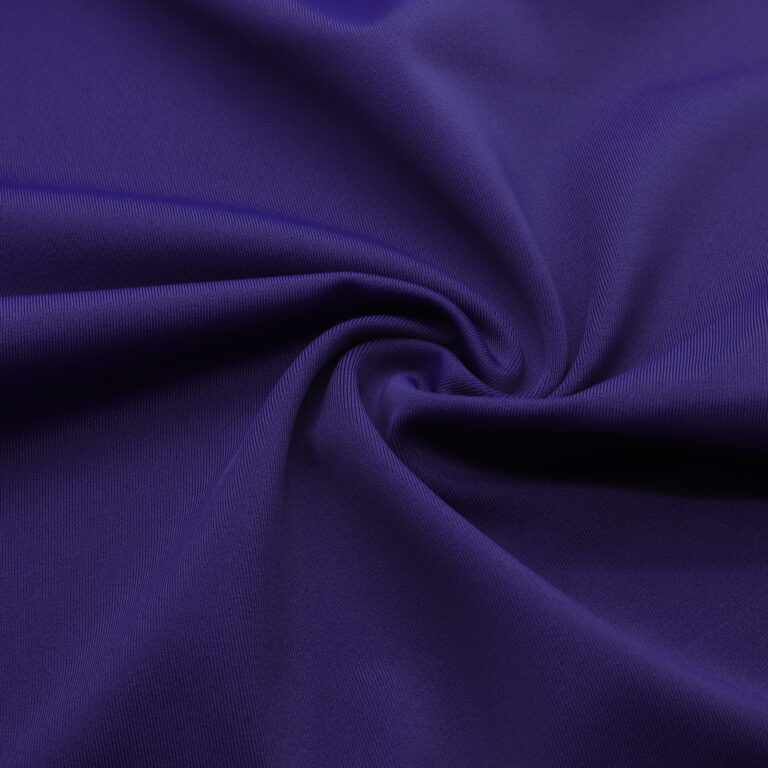 DY7070-A3299
Thick matte Lycra fabric, midnight blue
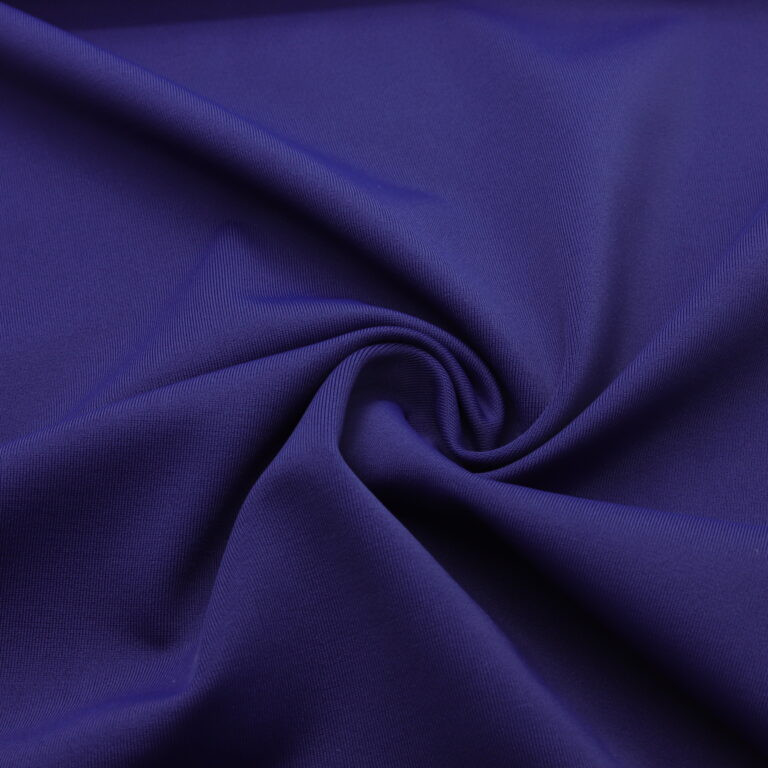 DY7070-A2619
Thick matte Lycra fabric, navy blue
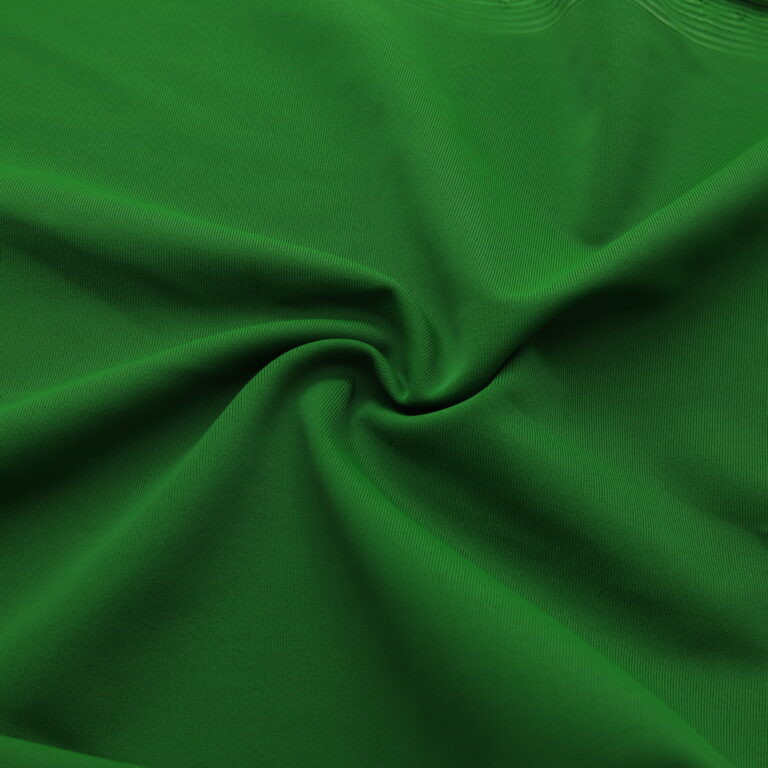 DY7070-A3999
Thick matte Lycra fabric, meadow green
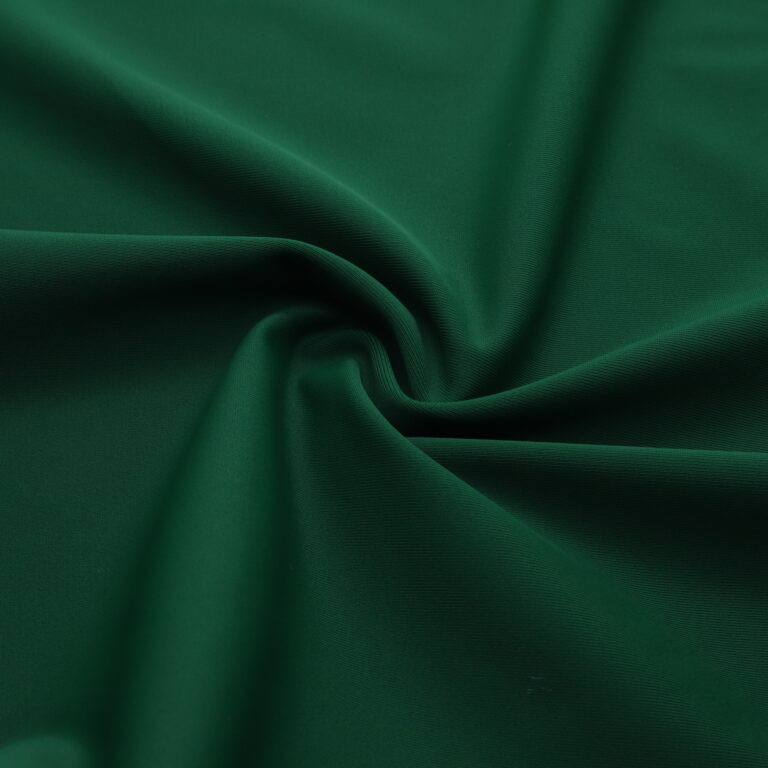 DY7070-A0999
Thick matte Lycra fabric, dark green
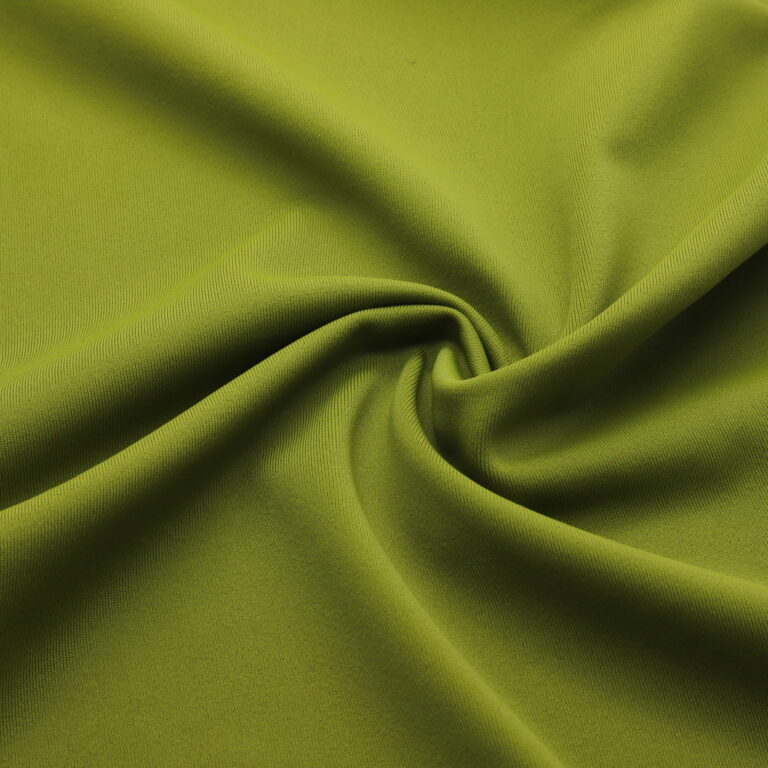 DY7070-A0699
Thick matte Lycra fabric Olive green
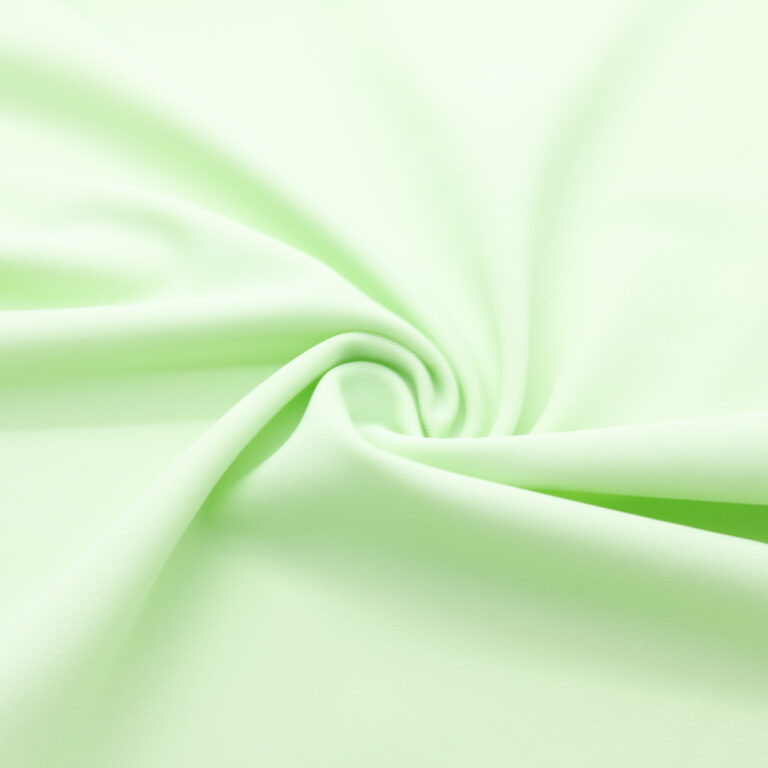 DY7070-A2799
Thick matte Lycra fabric, soft green
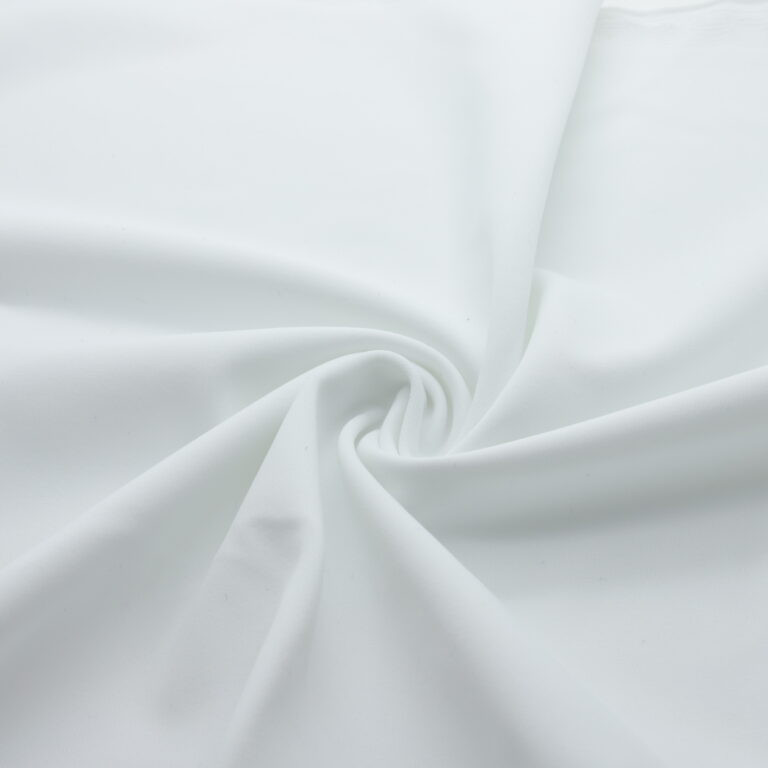 DY7070-A0101
Thick matte white Lycra fabric
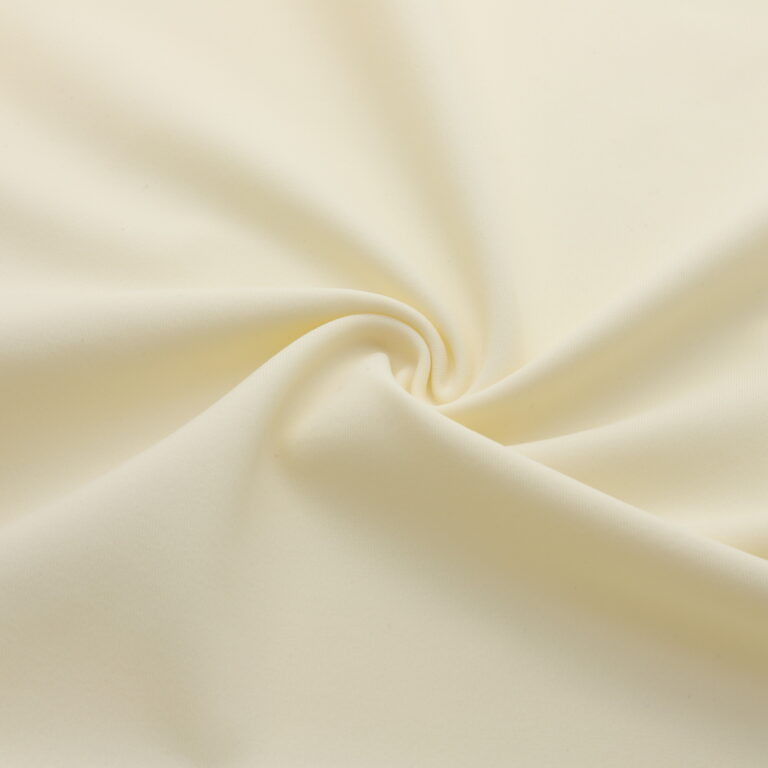 DY7070-A0201
Thick matte ivory Lycra fabric
YRSAN's haberdashery : fabrics by the meter and supplies selected by the workshop. Discover the haberdashery
Écrit à l’atelier D’YRSAN, à Asnières-sur-Seine, où nous développons et produisons les collections de nos clients : patronage, prototypage, industrialisation, production petite série.
Parler de votre projet→